Automated operations have become ubiquitous in our society. We use automated processes in our daily lives in ways we take for granted. From vehicle automation to kitchen appliances, access to technology has arguably made life easier in many respects. Incorporating automated operations into industrial, corporate, and commercial applications, particularly through automatic door operators, facilitates greater control over assets, improved accessibility for people with disabilities, and, in light of COVID-19 and the string of other viruses that have become commonplace, enhanced hygiene.
What are automatic door operators?
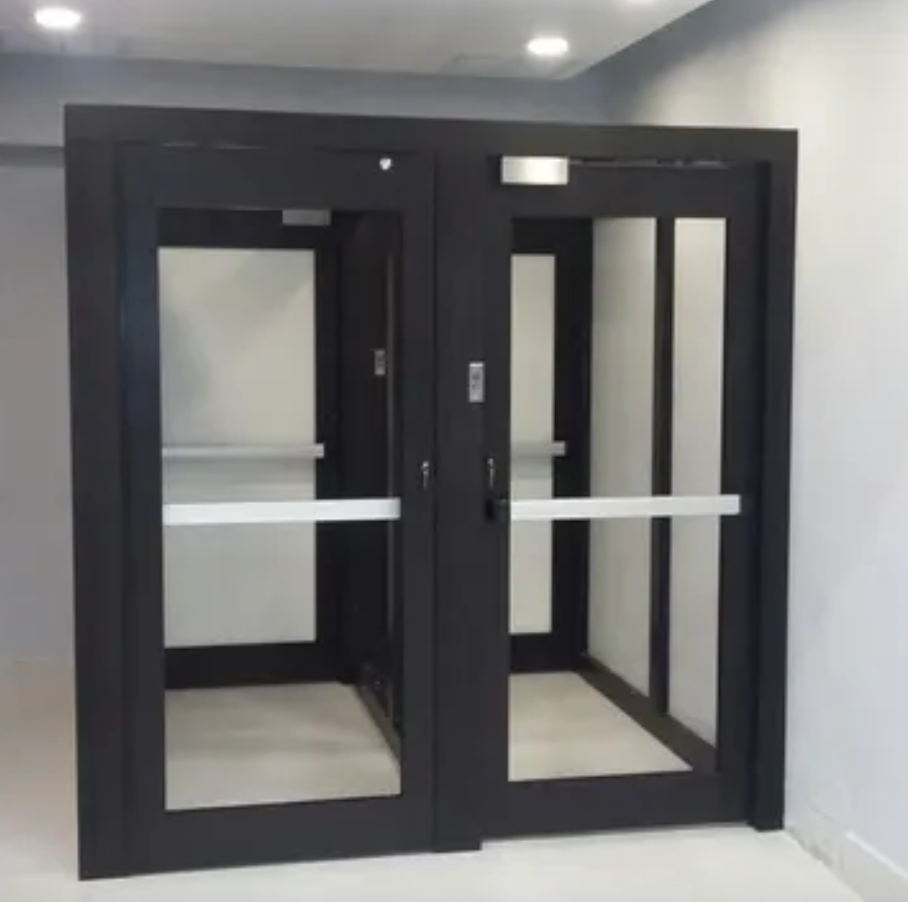
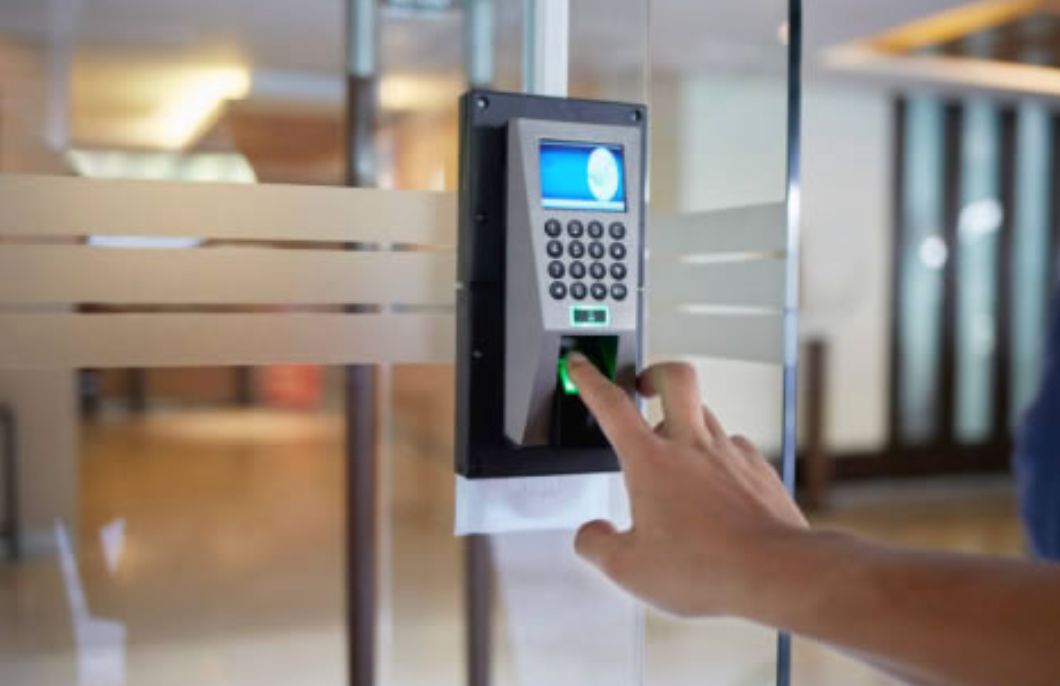
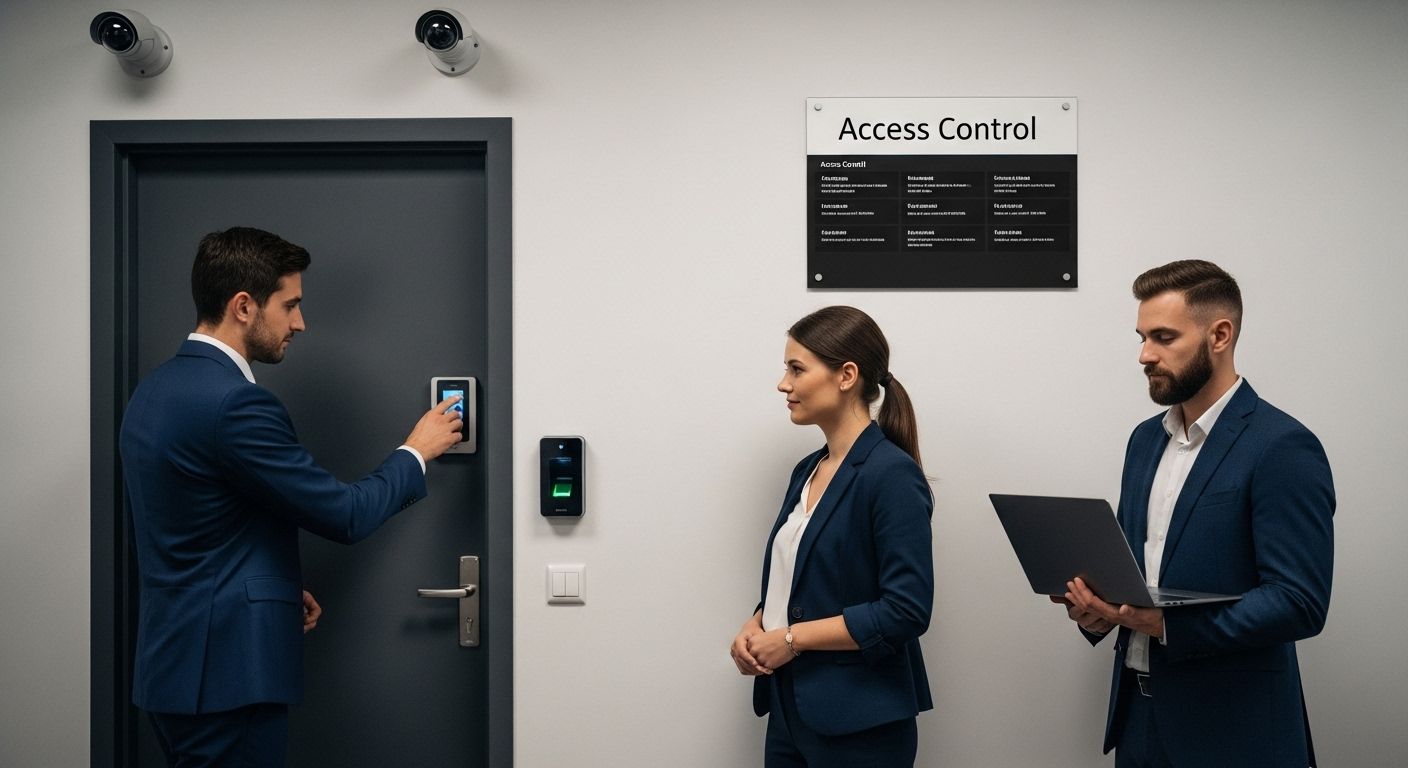
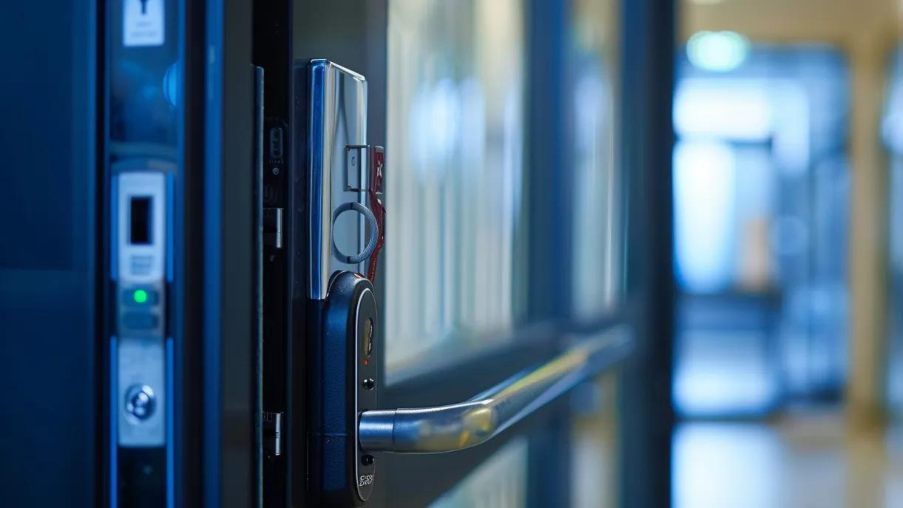
Automatic door operators are electromagnetic or motorized devices that, when affixed to a manual door, convert it into an automatic, low-energy door, making it perfect for accessibility or access doors in commercial buildings. Automatic door options include folding, swing and revolving doors and can be new installations or retrofitted to an existing manual door. To activate the automatic door function, these doors use activators installed near the door, such as push plates, key scanners, or motion sensors. While some activation methods involve physical touch, most activation options are hands-free and activate only when someone wants them to.
Security
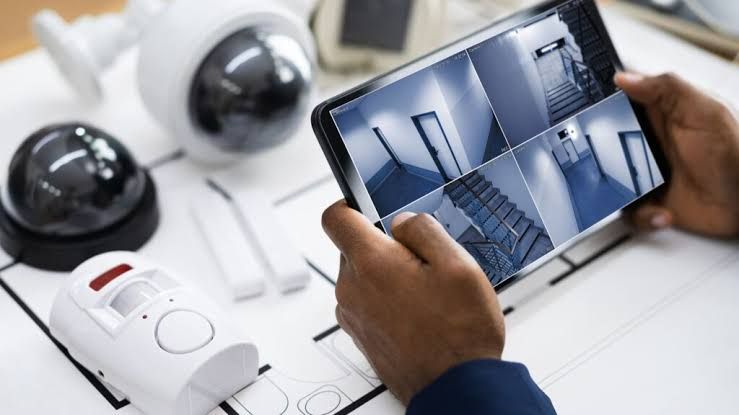
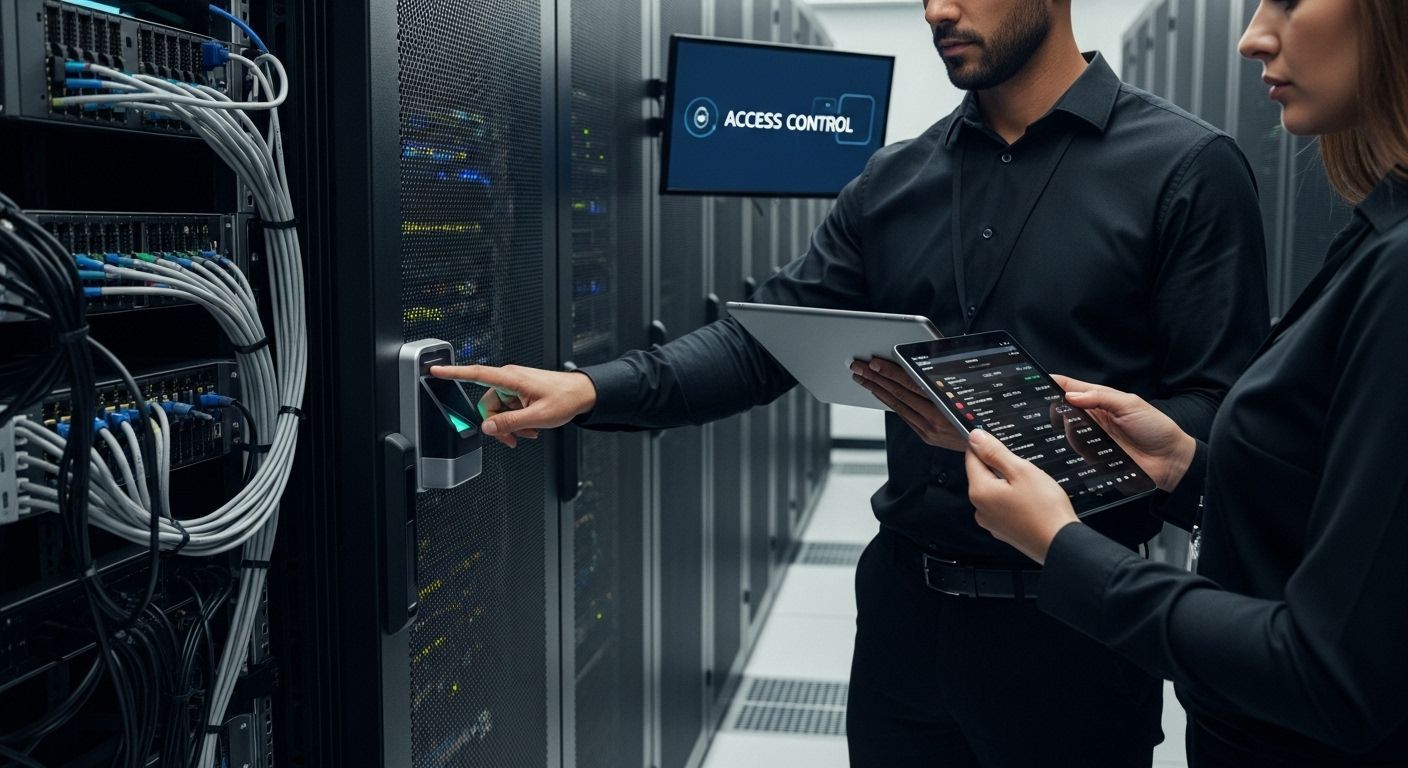
Doors are the gateway to personal and corporate assets. They act as a barrier to both secure from exterior threats and protect the resources within the perimeter. The first clearly identifiable security feature at a physical location is often the entrance door. That is why it is important to have an automatic door operator to maximize control over access. Based on the protocols in place, the user can program restrictions such as timed access, key access, or access via a mobile phone.
A robust automatic door system signals that security is being taken seriously on the commercial or multifamily property. Protocols that establish access times and restrict individual access lay the foundation for how the technology will be applied at a given location and under what circumstances. Like most automation, automatic door operators, while visible, will become so entrenched in daily life that they operate in many ways that go unnoticed or are taken for granted.
Accessibility
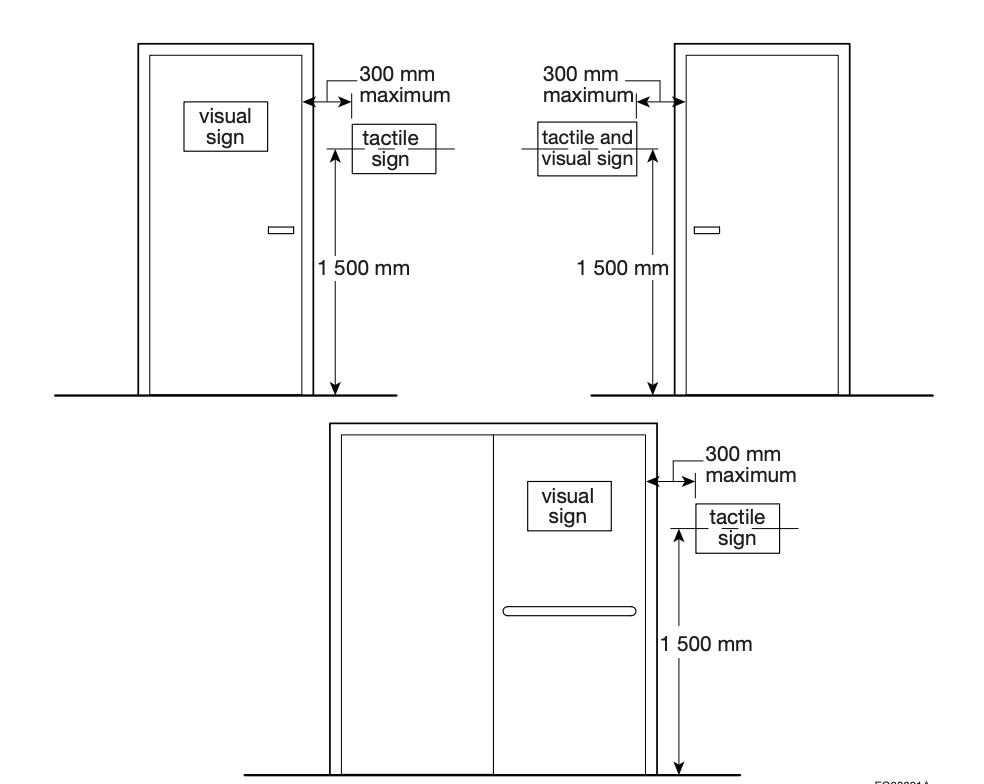
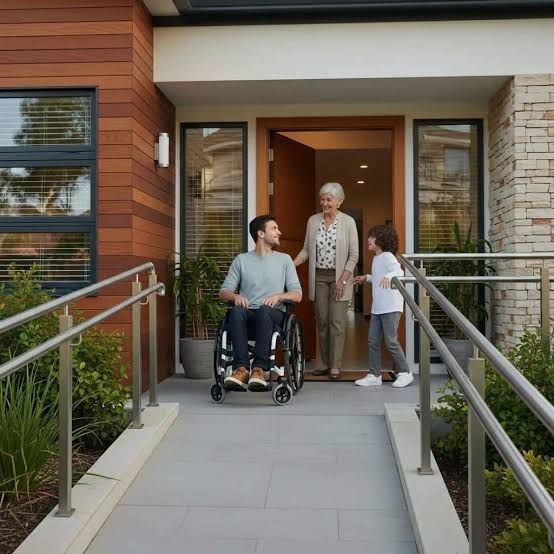
Ensuring that employees and clients with mobility challenges can easily enter and exit a building is crucial for inclusion and barrier-free access. In many cases, such access is required by law in Edmonton, Alberta, depending on your specific building. Automatic door operators facilitate accessibility by removing impediments and adding efficiencies, such as hands-free sensors that initiate door operation without manual opening, while supporting mobility.
These operators and activators can also be installed on washroom doors to create barrier-free bathrooms. These accessible bathrooms foster a more inclusive environment alongside the washroom's safety and accessibility features.
Energy Efficiency
Controlling door openings and closings supports energy-efficiency efforts by reducing energy loss from your access doors. It eliminates the possibility of a door remaining open and climate-controlled air escaping due to human error. Instead, the door can be programmed to automatically close in a certain amount of time. This could save a considerable amount of money that would otherwise go toward gas and hydro bills.
Healthcare and Hygiene
Many medical facilities require automatic doors for ease of access within a building. With busy waiting rooms and urgent appointments, navigating a floor with many doors can be easier by eliminating the need to pause a task to open a door. It allows for seamless transition between areas that are primarily separated.
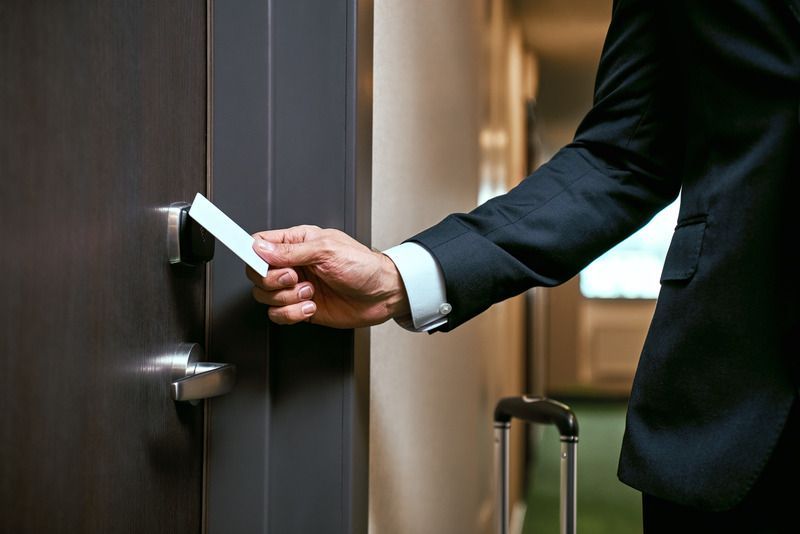
In medical facilities, automatic doors are also necessary to minimize the spread of germs and maintain cleanliness. Installing systems that make movement more efficient is important, and when activators and operators are installed, they allow people to flow naturally through the space with a simple touch of a key card or motion sensor to open the door. If the recent pandemic taught the world anything, it was that illness can spread rapidly even when deemed clean. Therefore, eliminating the need to touch one of the most widely used surfaces, the door handle, may serve to limit the spread of illness.
Is it a luxury or a necessity?
Door upgrades are often viewed as a luxury purchase. However, the use of automatic door operators to make a residence or corporate location more accessible, reduce the spread of illness, and secure assets makes it a strategic investment. It positions companies as forward-thinking by making accessibility front and centre while also using the same system as a first line of defence. With that in mind, automatic door operators have generally become a necessity in our daily lives. In terms of automatic door operations, security and peace of mind further underscore the necessity of automatic doors in multifamily or business settings. While a considerable investment, it only serves to support greater efficiency and access while protecting what is most important.
Accesio will take all of these factors into consideration to identify the most effective automatic door operator for a particular application. Maximizing the use of automatic door operators allows business owners to exercise greater control over asset protection and accessibility, enabling inclusion.