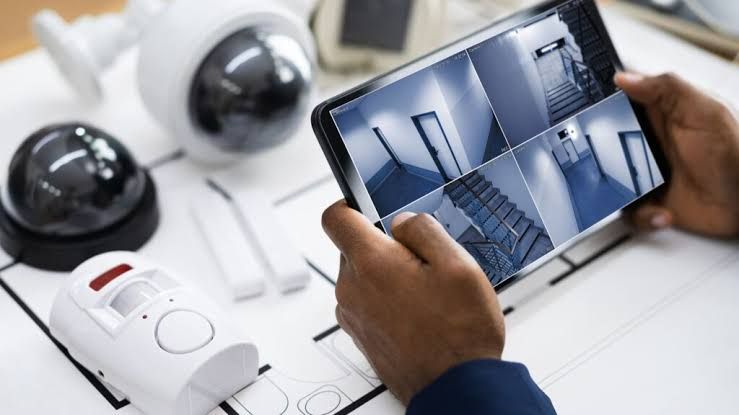
Whether it is castles and kingdoms or modern building complexes and computer systems, humans have long sought to ensure their property is guarded to prevent loss. When it comes to home and business security, protecting physical and digital assets is always top of mind. One of the most effective ways to achieve this is through whole-building access control systems. However, the successful planning and implementation of systems that protect property require careful consideration and are best left to security professionals, who know how to set them up.
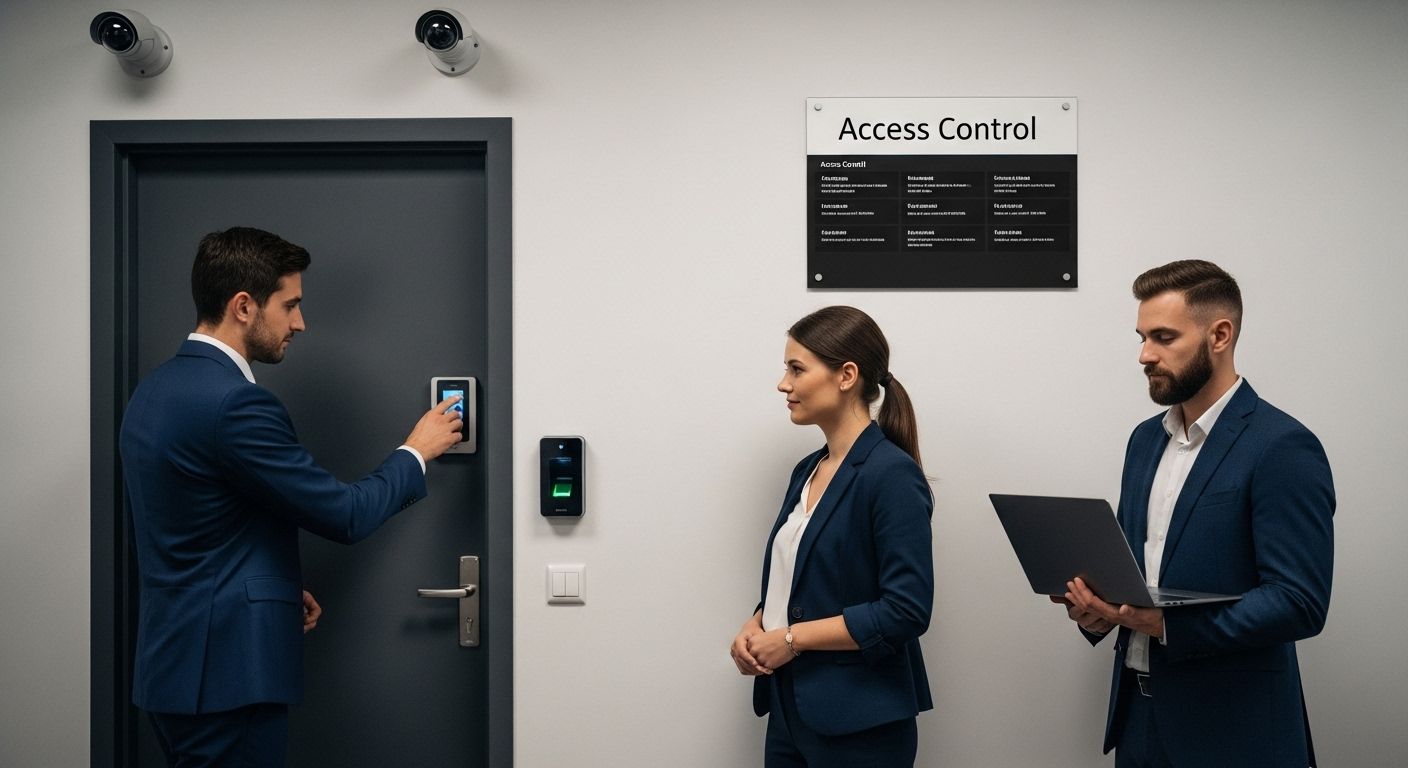
In broad terms, access control systems are technologies or tools that regulate who can enter, view, or use a space, or who can access your building. This could be accomplished through physical barriers such as fences and automated doors, or through technological solutions connected to your entranceways, such as card readers, biometric scanners, or Multi-Factor Authentication.
Protecting what’s important
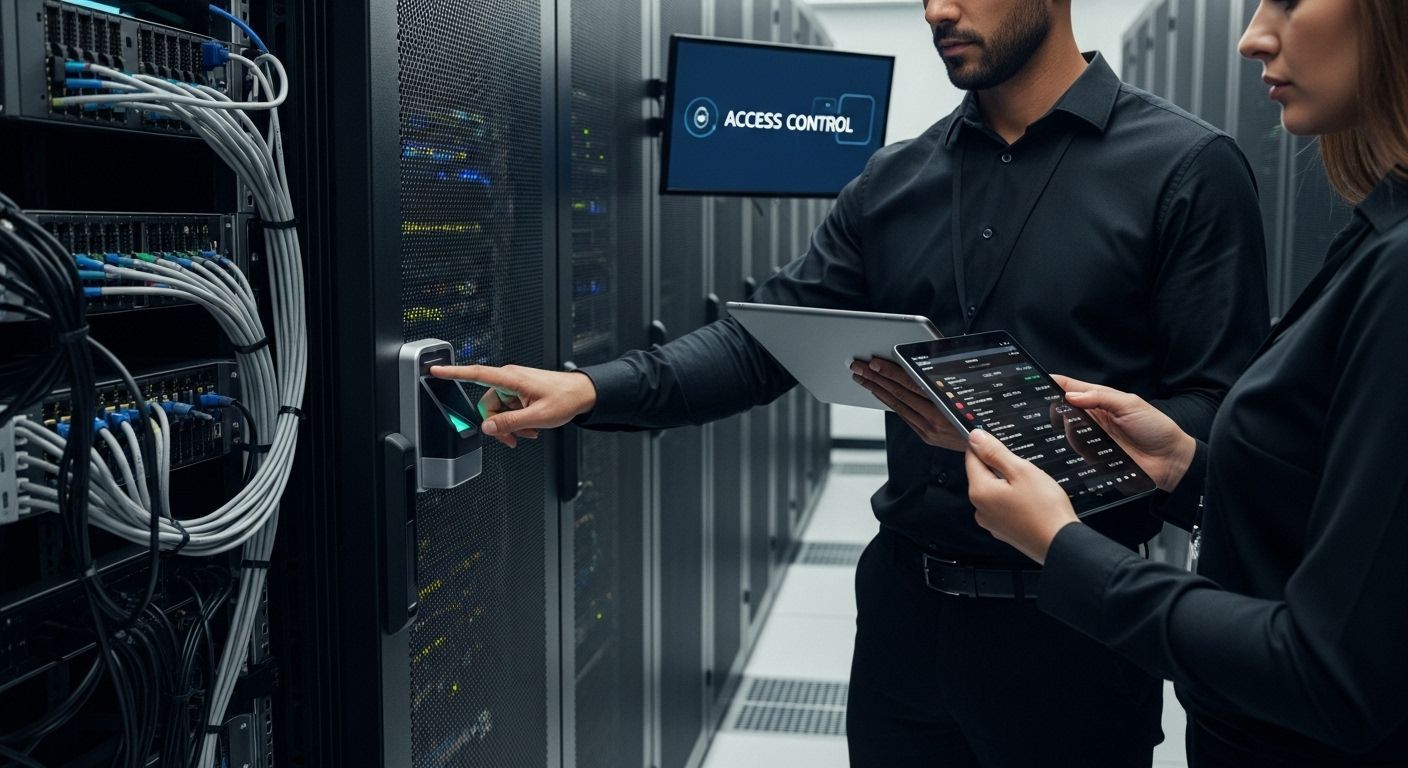
Your most important assets, whether they are a server room housing your proprietary data or commercially sensitive products on your manufacturing assets, require tailored solutions to protect them. Commercial and industrial locations may use the same tools for similar purposes, but at different application levels. Identifying what needs to be protected is crucial for determining the authorizations and tools needed to control access.
The Fundamentals
It is important to establish the fundamentals of securing resources to implement the right access control solutions. As a first step, identifying who or what can view, use, or enter a digital or physical space or item provides a basis for work. With the who or what in mind, establishing an authorization method to grant or deny permissions is a necessary second step. Finally, using the most dependable systems and tools allows both security and prevention to work in tandem for maximum effect.
The ‘who’ and the ‘what’
Determining who or what should be able to view, use, or enter the property is crucial to setting up an access control system that will work here in Edmonton, AB. Doing so clarifies the boundaries by identifying those granted access and those denied. It also makes clear the most appropriate tools to manage access and allows for a layered approach with varying levels of authorization that can then be applied.
Leveraging Technology for Authorizing Access
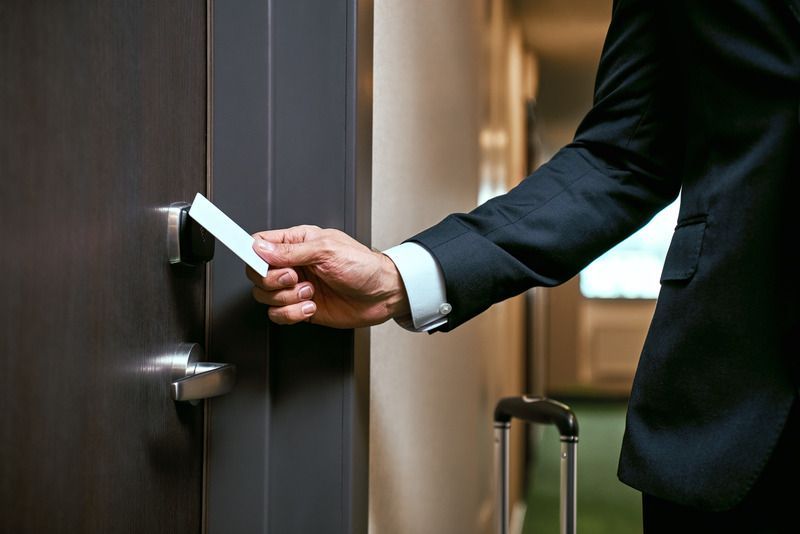
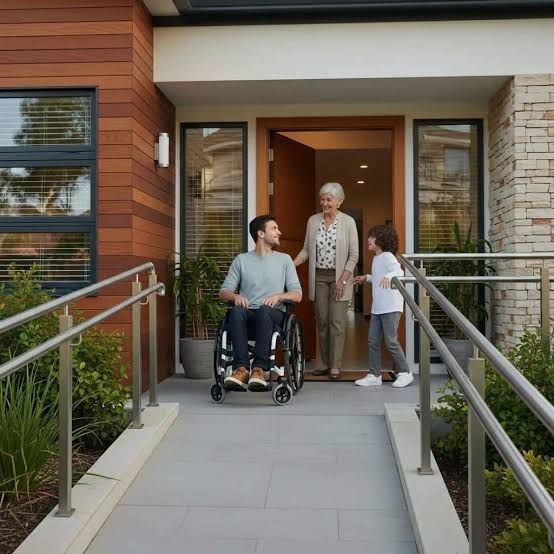
The core approach to guarding resources by limiting access hasn’t changed significantly in hundreds of years. However, the tools certainly have. For instance, the average lock-and-key system has evolved into smart credential options such as fobs and key cards. Access controls for physical assets and locations can include card readers and video intercoms to protect perimeters. Door automation integrates with access authorization, making it simple to designate who can enter the location and when. These can all be controlled via mobile applications for quick, easy adjustments or lockdowns.
Some of today’s methods for authorizing access have adapted to significant technological advancements, even in just the last several years. For instance, biometrics such as fingerprinting and facial recognition provide an unmatched level of security that can also be integrated with artificial intelligence. Harnessing this technology can alleviate some of the more burdensome aspects of maintaining such a system, including routine management, 24/7 tracking, and surveillance.
While we often think of security in terms of physical assets and locations, digitally stored data is increasingly sought after and requires similar forms of access control. In particular, confidential data regarding personal information and/or corporate strategies needs protection that is adaptable to changing needs and technologies and can be protected from physical theft through proper access control protocols.
Ultimately, the success of these tools is reliant on the underlying protocols that govern access. Identifying time-based access rights (e.g. access only between 9-5 pm on weekdays), certain locations within a residence, corporate or industrial space (e.g. only front office access after 5 pm) and/or digital space restrictions (e.g. restricted access to online files and physical data storage related to personal information), establishes the parameters for protection. With these in mind, tailored solutions, including automation, visual and digital security solutions, etc., can be based on the unique needs of individuals, businesses, and assets.
Dependable Systems
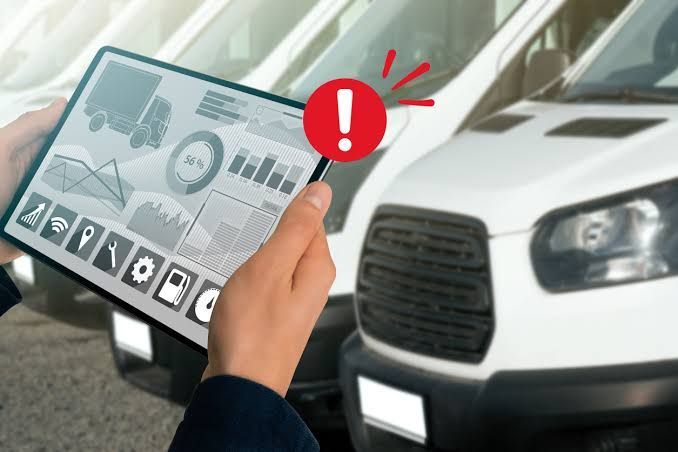
All of these options can be incorporated into a full-scale access control system aligned with the specific needs of the people and the property being protected. These systems are rooted in cloud-based applications, enabling an added level of security to the full system and quick engagement from anywhere.
Accesio will take all of these factors into consideration while designing the right approach to securing assets. Maximizing access controls to create dependable systems allows home and business owners to relax, knowing they are protected.