Reliable security systems play a crucial role in keeping your home or business safe. As technology advances at remarkable speeds, you do not want to wait until something goes wrong to update older systems that may no longer provide the level of protection, reliability, and convenience you need. Taking proactive steps to improve your security system can help protect your property, loved ones, employees, and valuables from theft, vandalism, and other safety risks. Many property owners continue using outdated security equipment simply because it appears to function or because they assume they do not need an upgrade.
Unfortunately, aging systems can create vulnerabilities that leave properties less secure than they should be. Modern security technology offers smart monitoring, quicker response capabilities, remote access, and improved connectivity that older equipment often cannot support. While older systems may still act as a deterrent, outdated technology can make it more difficult to respond quickly during emergencies or accurately monitor suspicious activity. If your current system feels unreliable, inconvenient, or outdated, it may be time to consider an upgrade. Here are four common signs that your security system needs an update.
You Experience Frequent False Alarms
If your security system is consistently malfunctioning and sending false alarms, it is most likely time to consider an upgrade. Your system should bring you peace of mind, not frustration. Whether it's random alarm triggers, overactive sensors, or false notifications, these systems can become more of an inconvenience than a tool. Over time, people tend to ignore alerts, assuming they are not serious or are just false alarms, which can increase their risk of missing real incidents. Modern security systems are designed to provide more accurate monitoring and have better overall reliability. To avoid becoming desensitized to security alarms, consider upgrading older equipment.
You Don’t Have Modern Cameras
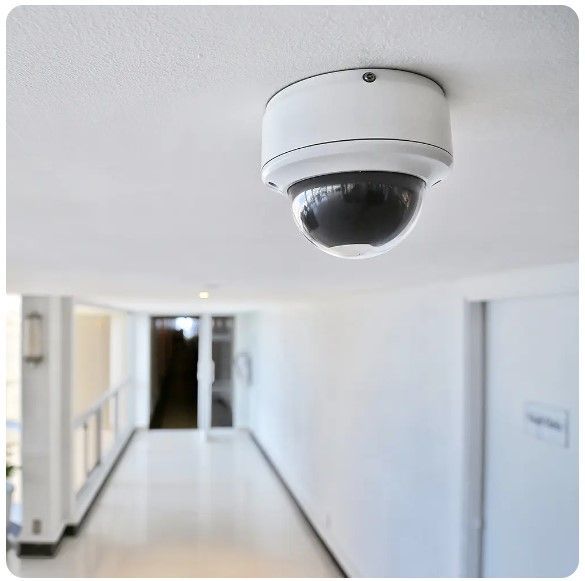
Modern cameras offer incredible visibility and high-definition images, so you can always keep track of who is coming and going from your property. If your current system relies on older cameras, they often produce grainy images that are practically unusable for identifying someone. While having cameras can be a deterrence factor, it’s better to have real, usable footage should you need it. Cameras are a highly requested home security feature for a reason. Upgrade your system so that you can take comfort in knowing who is in your home or business.
You Can’t Access Your System Remotely
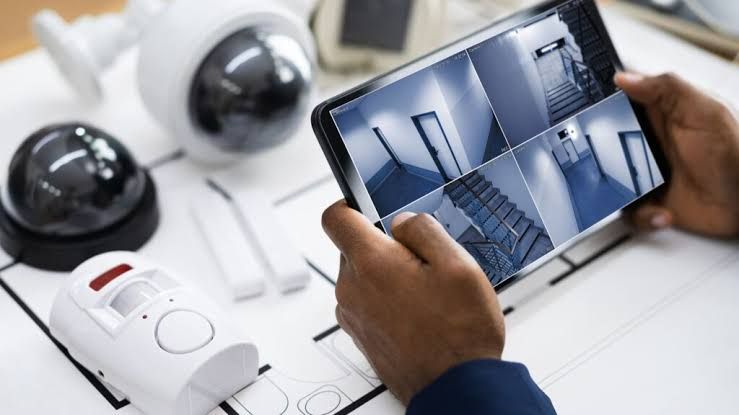
One of the most valuable features of modern security systems is remote access. Older systems typically have one on-site control panel or require you to be physically present to view alerts or surveillance footage. This can be extremely inconvenient when you’re away from your business or out of town on vacation. Ideally, you would prefer to view footage and alerts from anywhere. Luckily, today’s security systems often allow users to view live camera feeds, receive real-time mobile alerts, and even monitor multiple properties from one device. This type of remote accessibility makes security convenient and gives you peace of mind, knowing your space’s security is right at your fingertips.
Your System Doesn’t Connect to Other Technology
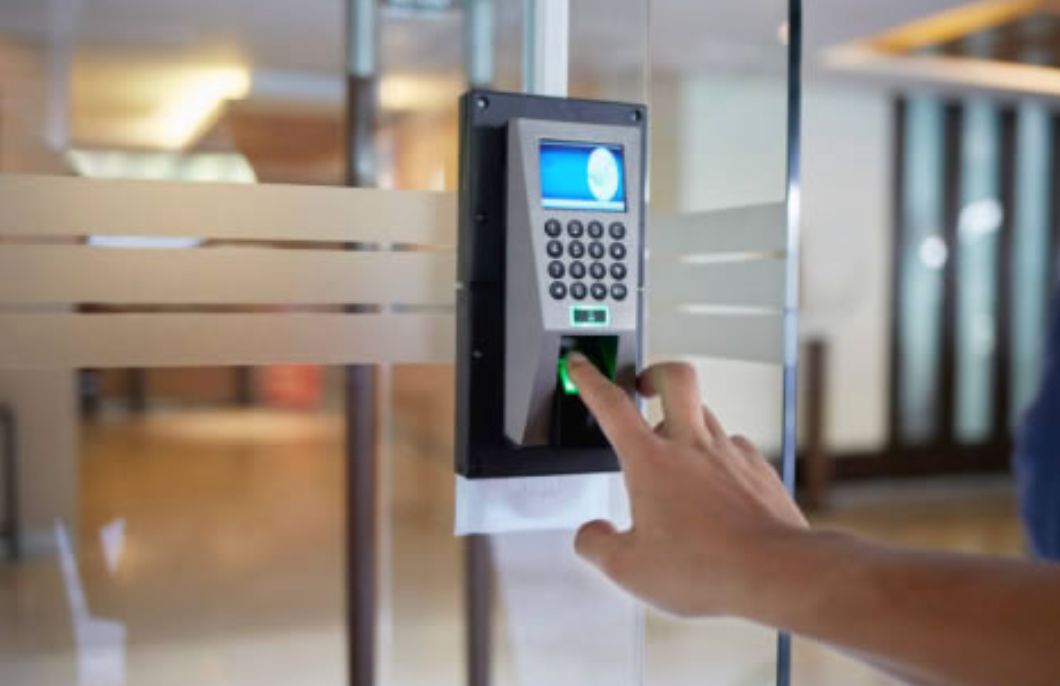
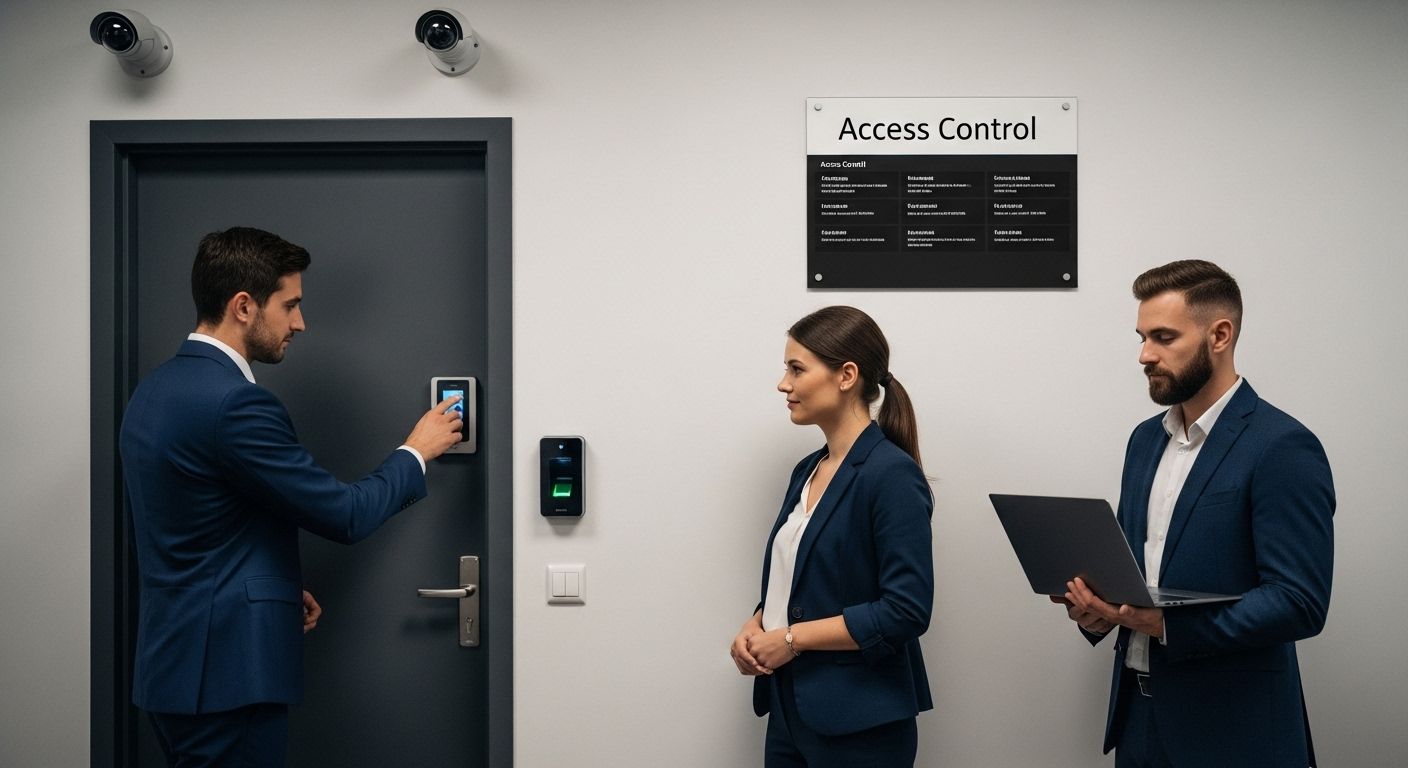
Older security systems usually operate independently of other building networks. They also often require separate controls for alarms, access points, intercoms, and cameras. This makes monitoring your home or business more complicated and time-consuming than necessary, given today’s innovative security technology. Modern security systems can consolidate security controls into a centralized platform, often controlled via a mobile device such as your smartphone or laptop. From one app or website, you can control anything from video surveillance and smart locks to intercom systems and intrusion alarms. This makes building security vastly more efficient. By integrating technology, you can create a smart system that connects your security network to other smart systems, such as your lights, blinds, and temperature controls, creating a smart home. If your security system doesn’t support this type of connection with other technologies, it may be time to upgrade to simplify monitoring and enable faster responses during emergencies.
As technology continues to evolve, outdated systems no longer offer the same level of protection and comfort they once did. Older systems may still appear functional and serve as a deterrent, but security threats may recognize these outdated features and exploit them. Upgrading your system is not just about new technology for its own sake. It is about improving reliability, convenience, and the sense of safety you feel in your space. By recognizing the warning signs early, you can take the proactive steps necessary to improve your home or business’s security, ensuring it is equipped to handle modern challenges.