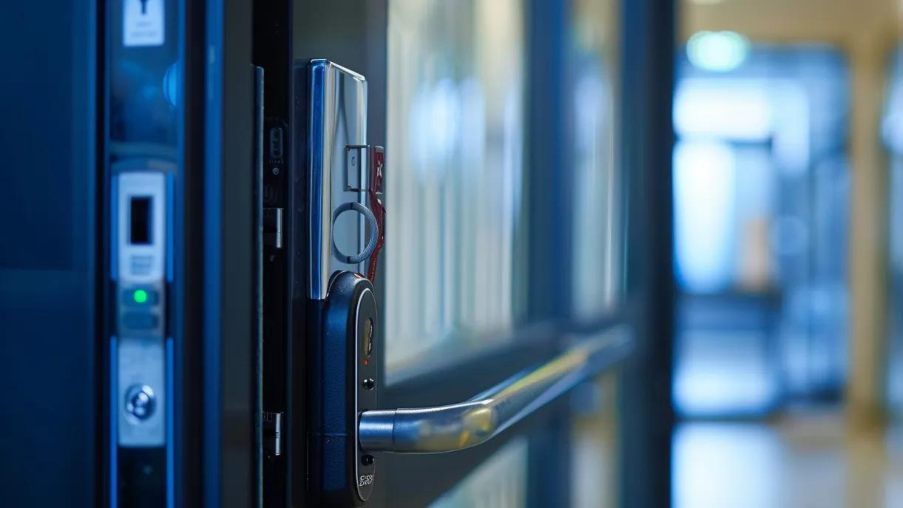
Keyless entry has been the norm for modern commercial and multifamily buildings across Edmonton for years. Not only is this entry method more secure, but it also gives building owners an accurate log of when people access specific doors. In this blog, we are going to look at the nitty-gritty details on how keyless entry works from start to finish and explain all the tech behind when you tap that RFID card to open your lobby door.
Credential Scan
The first thing that happens when you use a keyless entry is that you will need to scan your credentials. There are four main scanning methods used in commercial buildings, each with its own features for the facility's security.
Key Fob or Keycard
Key fobs and keycards are the most common option for low- to mid-security buildings. An RFID or NFC card is loaded with the user’s information and is waved or tapped near the door reader. This method is great for those with ID cards or for places with contractors, as you can provide them with a keycard for the day without adding them to your access control system.
Smartphone
Many companies and buildings have opted to use smartphones to access their doors. Users will either tap a reader with a mobile app or use NFC or Bluetooth to send an encrypted digital pass to the reader. Both methods are safe, secure, and, most of all, give building owners the flexibility to limit or grant access on the go.
Keypads
For more secure buildings, a keypad is a tried-and-tested method for keyless entry. A user will simply need to enter their four- to six-digit PIN on a PIN pad, and the door will open. Keypads can be used in combination with any of the other entry methods listed here for a double layer of security and are often combined with keycards or biometric scanners.
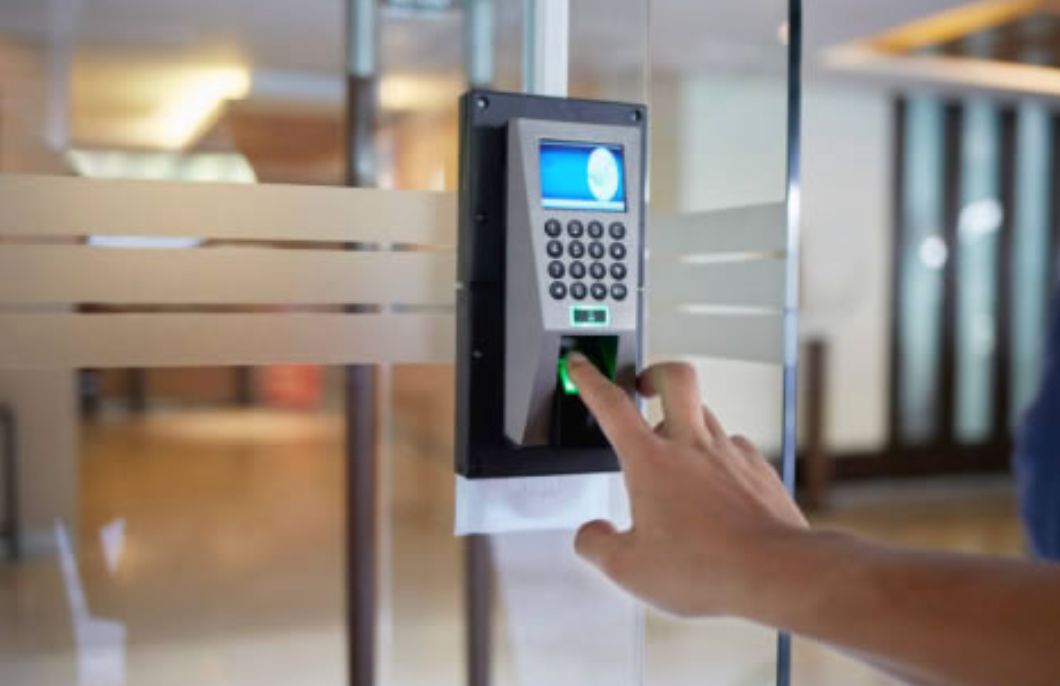
Biometric Scanner
The most secure option on the market, a biometric scanner will compare a user’s fingerprints, facial scan or retina scan to provide access to a specific door or entryway. Since it uses biometric data, you do need to add additional cybersecurity protocols to ensure the data stays local.
Verification
Once the user has scanned their credentials, your access control system kicks in. The reader on the scanner will read the specific encrypted ID code, and the controller will match the credential against the database. If the controller cannot find the credential, or if the credential is time-locked and outside normal hours, the door will not open. However, if the controller finds the user and there are no flags, the door will be given the go-ahead to open.
Electronic Release
With the green light to open, the door will receive an electronic signal from the controller, which will unlock the door. Electronic release is implemented using two methods:
Maglock
If you have a magnetic lock, once the controller sends the signal, power to the electromagnet will be cut, allowing the door to swing open.
Electric Strike
If you have an electric strike lock, an electrical current will release the mechanical latch, which in turn will allow the door to open.
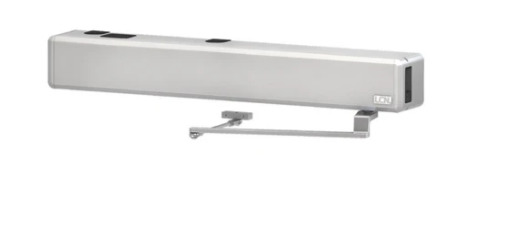
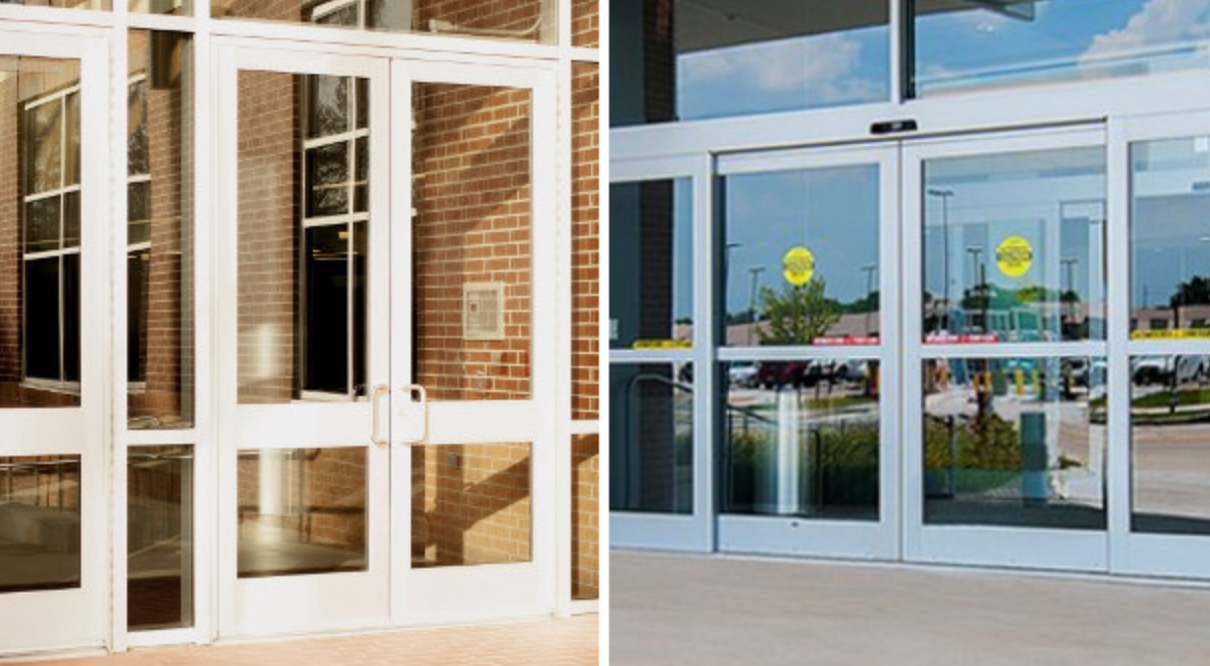
With the door open, if you have an automatic door, the automatic door operator will also power up and swing the door open for you to gain access. Once a preset amount of time has elapsed, the operator will disengage, allowing the door to close at a slow, predictable pace. If you have a manual door, you will need to open the door yourself.
Audit Trail
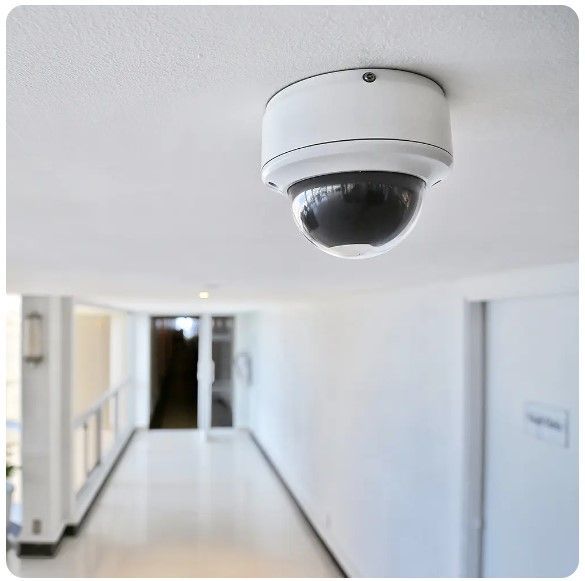
With the door successfully opened, the system will also log exactly who accessed the door, when, and which door was used. This information is stored in your central access control cloud dashboard and can be accessed if you need to pull up who exactly was operating which door during an incident or investigation. Depending on your exact system design, this information can be stored for a few weeks to several years on your own local server.
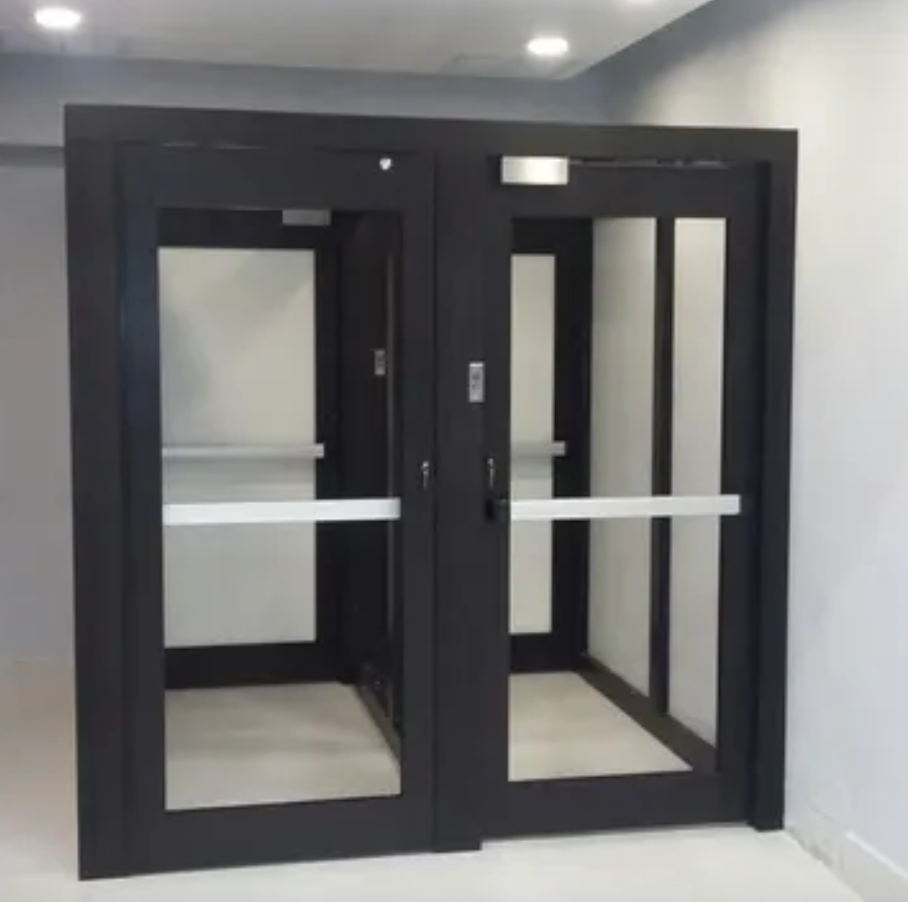
If you are interested in installing or retrofitting your access doors with keyless entry, the team at Accesio is your go-to in Edmonton, AB. Our team has worked with countless clients to install scanners, retrofit doors with automatic openers and set up the controller and access control system for seamless entry and exit. Whether you are a commercial property looking to beef up its security or a multifamily complex that wants to give tenants more control to keep the building safe, getting rid of keys and embracing keyless entry might be the best investment you make. With our team supporting you, we can make rollout and installation a breeze and work with your property managers to ensure they understand how to operate the system and keep tenant and staff entry simple and secure.