Artificial intelligence is taking over our workflows, helping us streamline operations, and becoming increasingly essential in almost all business lines, especially in SaaS, tech, and manufacturing. Businesses love AI, whether it's for vibe coding, creating posters, or even deploying chatbots to interact with customers, but AI does have a dark side. We have seen more and more bad actors deploy AI to scale phishing attempts, lodge social engineering attacks and attack software-based systems. So, with the evolving use of AI in our everyday operations, let’s discuss what your company needs to know about AI when it comes to your business’s physical and cyber security.
How AI can increase security risks
AI is a powerful tool, and when used by bad actors, it can wreak havoc on your systems and increase the risk of cyber or physical security incidents. We have seen AI weaponized to generate hyper-realistic phishing attempts that bypass traditional spam filters and look and feel like real emails. Further to this, we have seen LLM-powered chatbots targeted with AI-powered attacks that can override weak internal guardrails and expose sensitive backend data via chat. Finally, AI attacks can even exploit vulnerabilities in your supply chain and leverage open-source AI libraries or third-party APIs that lack the security controls your internal data and access control systems provide.
How AI can support better security
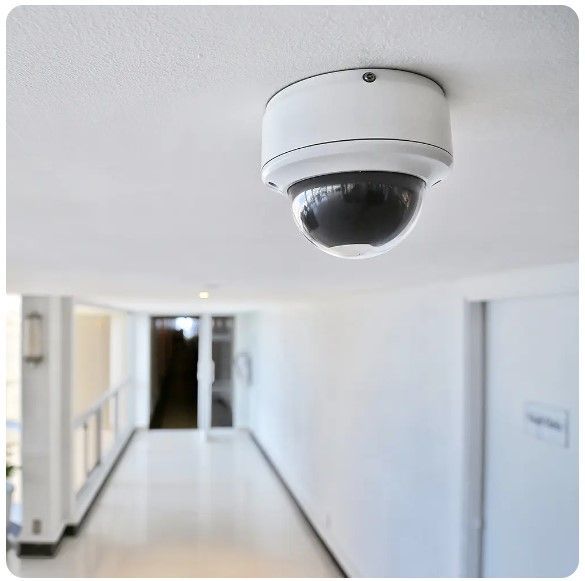
Although we have seen an increase in AI attacks, we can also use AI to better defend your building and your data. AI is extremely useful for flagging anomalies in live video and for alerting to and identifying threats at record speed. Whether those threats are a fire starting in a corner of a warehouse or a strange walking pattern on a manufacturing floor. Further to this, AI can help identify gaps in your security apparatus and assist your security teams in building out defensive and alerting capabilities that enable your team to respond to live events. But, even with all this success, we have to think of AI as a tool that should assist in security decision-making, rather than replace security policies, trained personnel, or properly designed access control or video monitoring systems.
The importance of AI Policies and Guardrails
When deploying AI tools, internal AI policies are the best way to control and ensure your company's security protocols remain intact. Working with your staff, your company should develop internal AI-use policies, access controls, employee training, and clear approval processes to ensure that your AI deployments are safe, do not create physical or cyber backdoors, and work as expected. These clear rules will allow your company to develop the tools it needs to streamline workflows but also protect sensitive data from reaching the public sphere. If you are developing tools for use outside your company, it is best practice to include approved controls to protect your confidential business information from external attacks or intrusion attempts.
How AI can align with your physical security
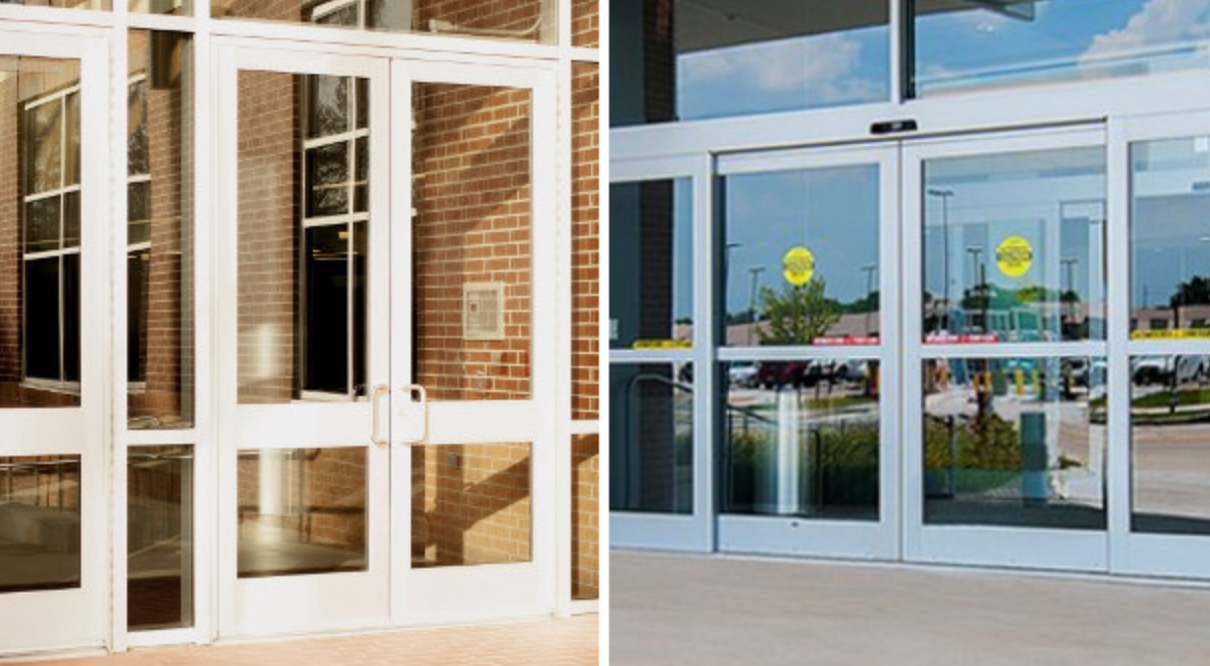
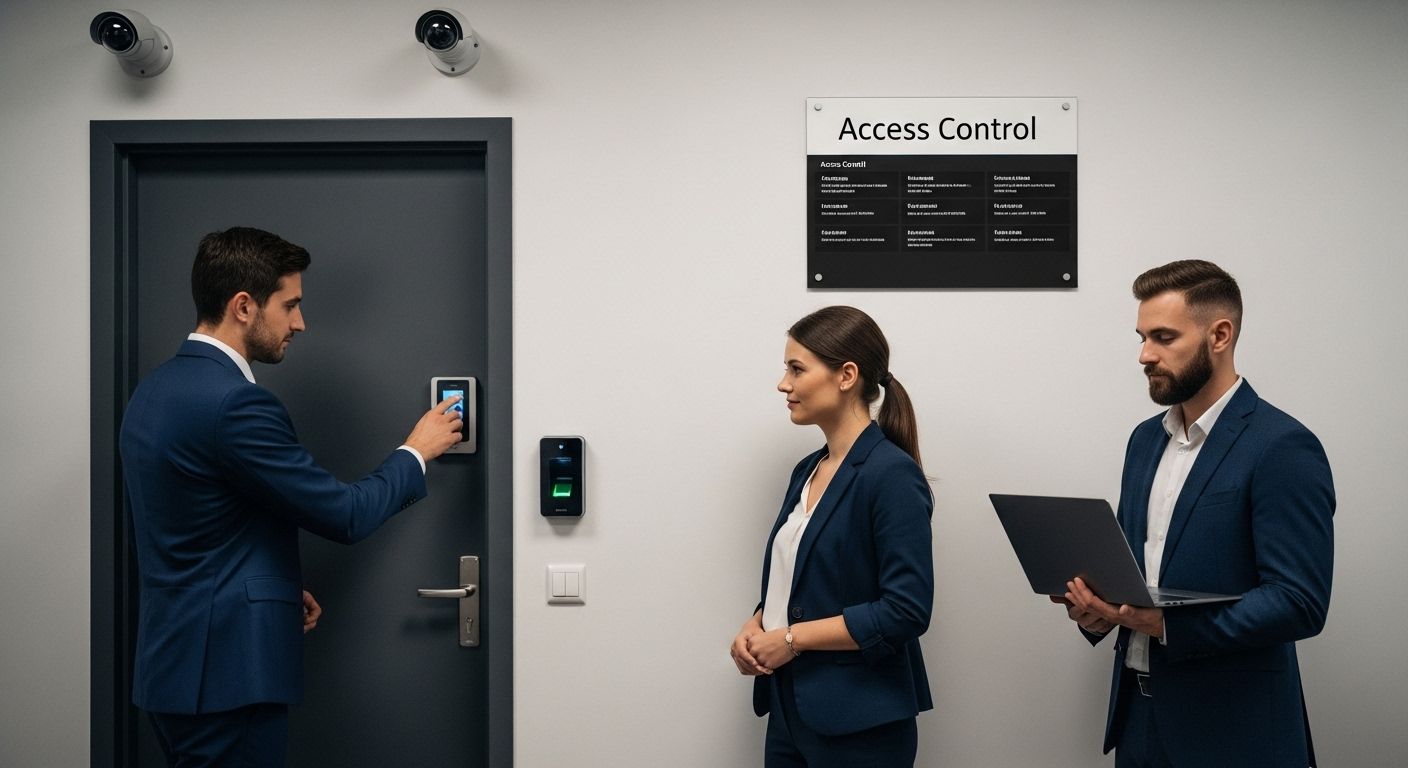
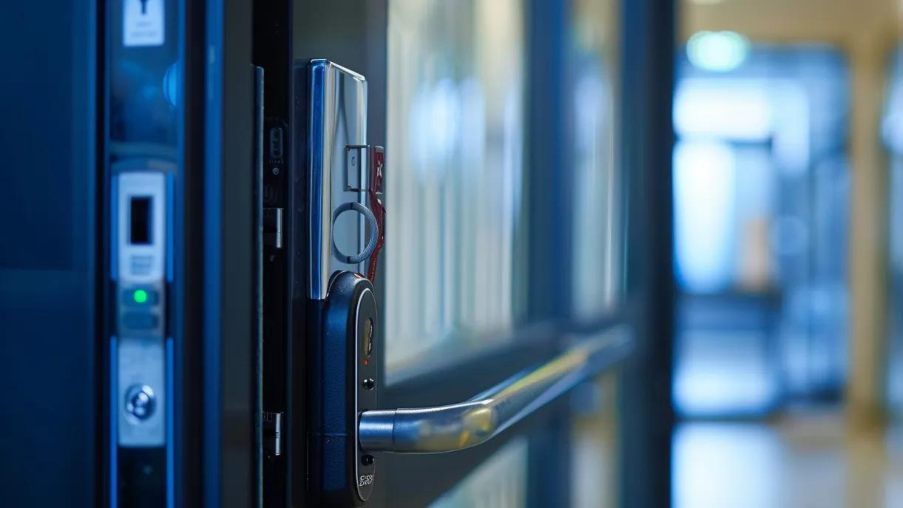
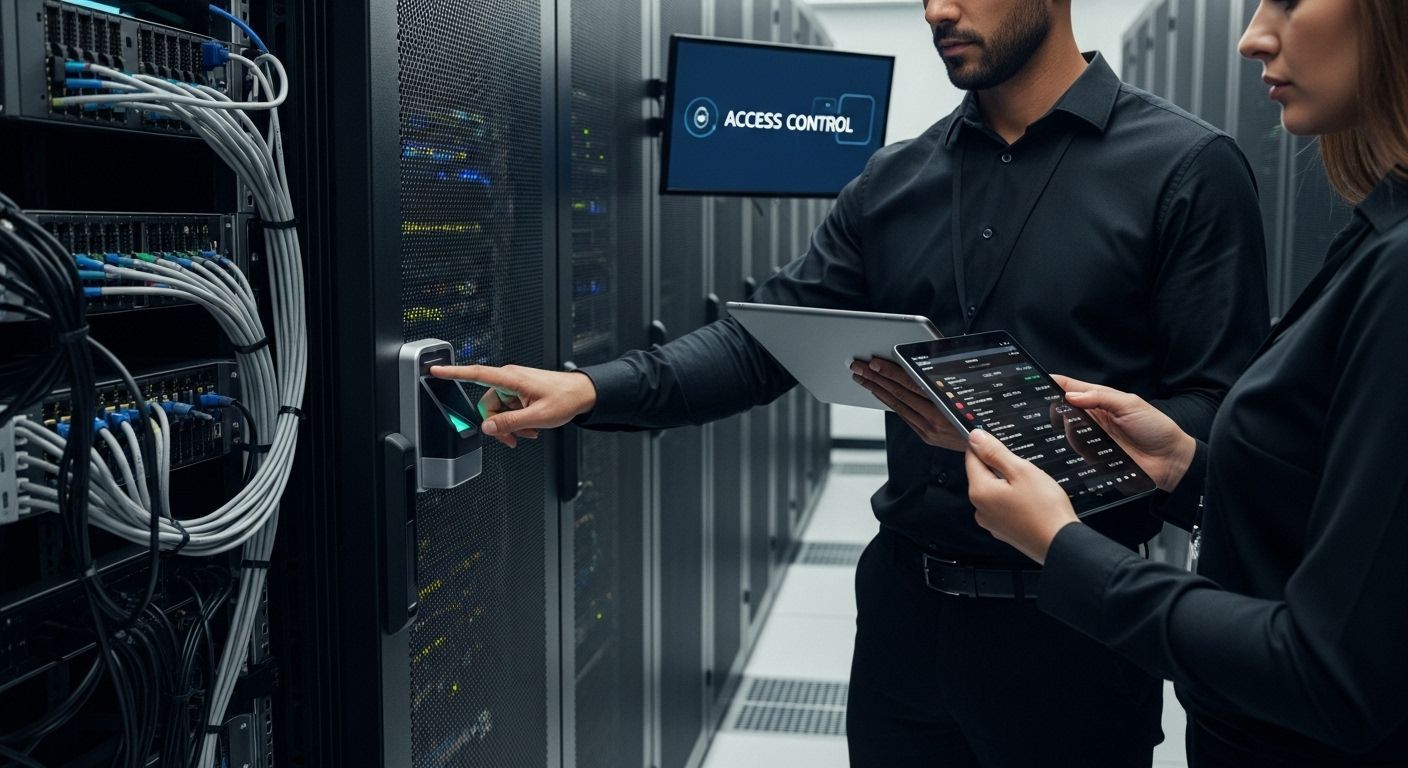
Finally, one of the most important things to know about AI deployment is that it needs to align with the physical security of your operations. As our physical buildings and building systems become more connected, the risk portfolio begins to blend between cyber and physical access. This is why your AI policies and rules should align with your broader physical security operations such as video and monitoring systems, access control and credential and visitor management. As an IoT company with extensive AI experience, the team at Accesio has been at the leading edge of this alignment and can work with you to develop a cross-functional system that gives you complete control over who can access your building and when.
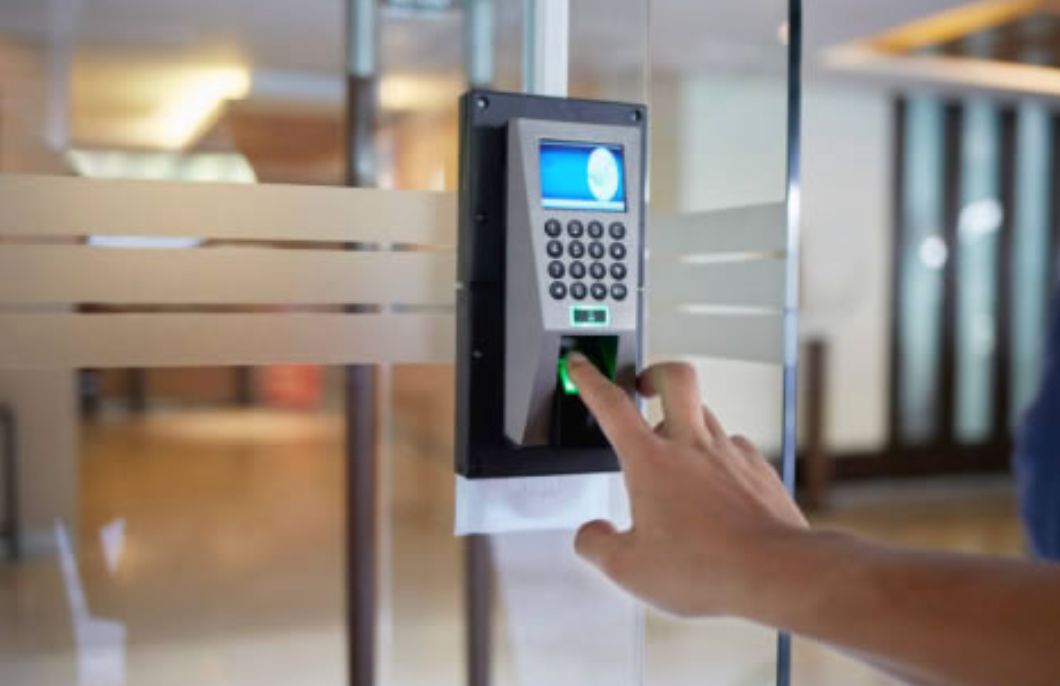
Some of the features that we can add to your existing physical security management systems include multi-factor physical access, which includes a non-cloneable physical token or PIN, camera systems that are constantly upgraded for the latest physical adversary patterns to properly flag individuals and air-gapped technology and access control systems that are insulated from internet-connected AI assistants.
AI is one of the best tools on the planet, and when it comes to your building’s security systems, it is an integral option for securing your premises. Whether it is through AI-powered video monitoring, connected access control, or flagging unusual login patterns, AI will be an essential part of your building’s physical security. However, it is a tool, and a tool that needs to be controlled, trained, and guardrailed against outside forces. When deployed properly alongside modern technology and practical access control systems, your Edmonton-based business will be well-equipped to handle any sort of threat, physical or cyber.