As the 2027 International Building Code changes roll out, we have started getting questions about some of the proposed updates. One major change is the new interlock requirements and what they mean for hospitals, clean rooms, and other controlled-access points. In this blog, we'll look at the code update in the IBC, what it means, and how it may affect your Alberta business in the future.
What is an interlock?
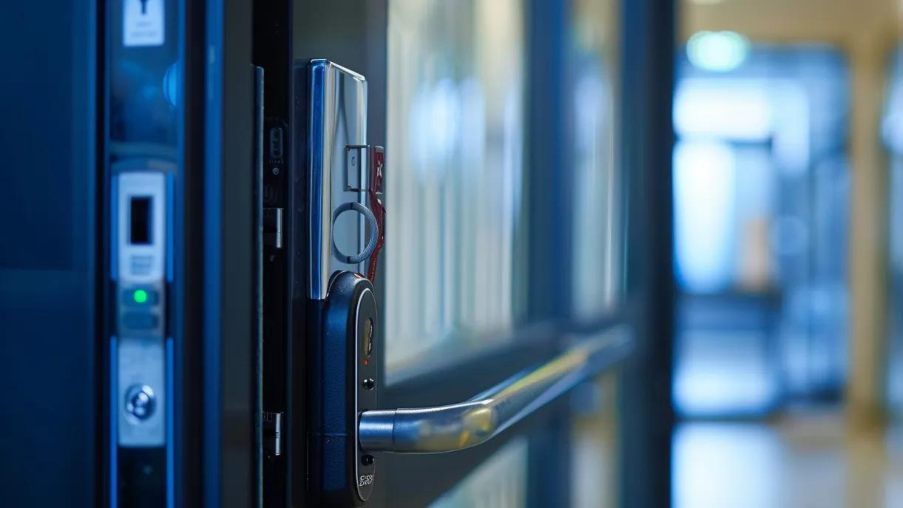
An interlock is used in a variety of sterile and secure facilities. These door systems are normally designed to work in tandem: opening one door automatically activates the switch, which energizes the mag-lock on the other door and locks it. Once the first door returns to a closed state, the switch signals the doors to switch; the first door remains locked, while the other door can open. The most common locking mechanism used in these systems is a mag lock, but we have seen some examples with other fail-safe locks.
The International Building Code Update for Interlocks
Interlocks have always been tricky to code correctly because of their complex nature. In fact, the 2024 edition of the IBC did not address interlock codes, except for sally ports, which led each jurisdiction to adopt different code standards worldwide. To help prevent that going forward, the IBC will add an interlock section in the 2027 I-Code update.
In the code, the IBC refers to interlocks as a control vestibule (airlock or mantrap): a space with doors in a series that are interlocked so that when one door is open, the other doors are restricted from opening.
Once the I-Codes are adopted, the new 2027 IBC will allow for control vestibules for egress for the purpose of security, environmental control or clinical needs in two specific user groups:
- Group F (factory industrial), H-3, H-4, H-5 (high hazard), I-1, I-2 (institutional) and S (storage), where the occupant load of the room or space served by the control vestibule is less than 50 people.
- Group B (business) and M (mercantile), where the occupant load of the room or space served by the control vestibule is 10 people or less.
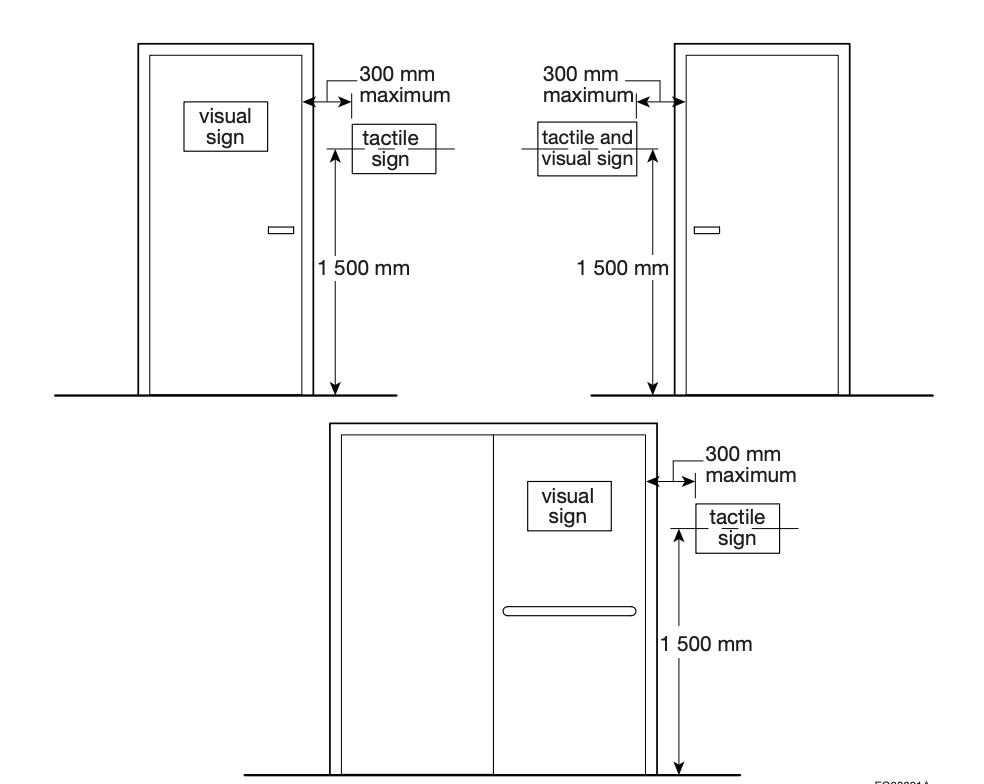
To ensure user safety, follow the I-Codes to the letter, including installing an override switch and associated informational signage showing occupants how to use the control vestibule in an emergency. When in operation, the override switch overrides the locks and opens the door for at least 30 seconds. The switches must be within 48 inches of the door and between 40 and 48 inches from the floor to allow seated and standing individuals to use the door.
In addition to the override switch, the code will also require that the interlock chamber have an automatic smoke detection system or be part of the building's broader automatic sprinkler system. Areas that handle hazardous materials will also need an emergency alarm system. When activated, the system will unlock both doors and allow for free egress.
For building design, the IBC will limit the number of interlock doors a person must pass through for free egress. Under the new code, a building occupant can pass through only one control vestibule on the egress path, and all doors in the vestibule must swing in the direction of egress.
How it may affect Alberta code in the future
Now, a change in the IBC does not mean a change to the National Building Code or the National Building Code- Alberta Edition. Canada, as the Authority Having Jurisdiction, may include the new code in their next update, or it may want to consider specific Canadian adjustments to how the IBC reads.
The next National Building Code update is in 2029, and we should expect it. This is because the National Building Code currently covers interlocking mechanics in firefighter elevators and high-rise building shafts but remains silent on pedestrian interlocking door systems, except for general egress rules. It makes sense to update the code to ensure sanitary- or security-related vestibules can be built to safe standards and remain usable in an emergency.
For our clients, this change may be on the horizon, and our team is fully equipped to help companies build to IBC standards and get ahead of the curve. From hospitals to labs and even law enforcement or secure floors, control vestibules are a common entry and exit door that should be built for the safety of the building, your components and the people.