In the accessibility world, a knowing act is one of the most important aspects of building out an accessible entrance or doorway. We have worked with countless clients to install doors that meet Alberta accessibility requirements, which means installing actuators and sensors that meet the knowing act definition. In this blog, we'll take a deep dive into what a knowing act is, why it matters, and test your knowledge of this important concept that is at the heart of accessibility standards across Canada.
What is a knowing act?
We consider a knowing act a deliberate, conscious action a person takes to open a door. This could mean pressing a button or a bollard, or even activating a low-range motion sensor. What matters is that they took an action, and the door was then activated and can slowly open and close at a predictable speed.
In terms of the documentation and international standards that we follow here in Alberta, the ANSI/BHMA define a knowing act as:
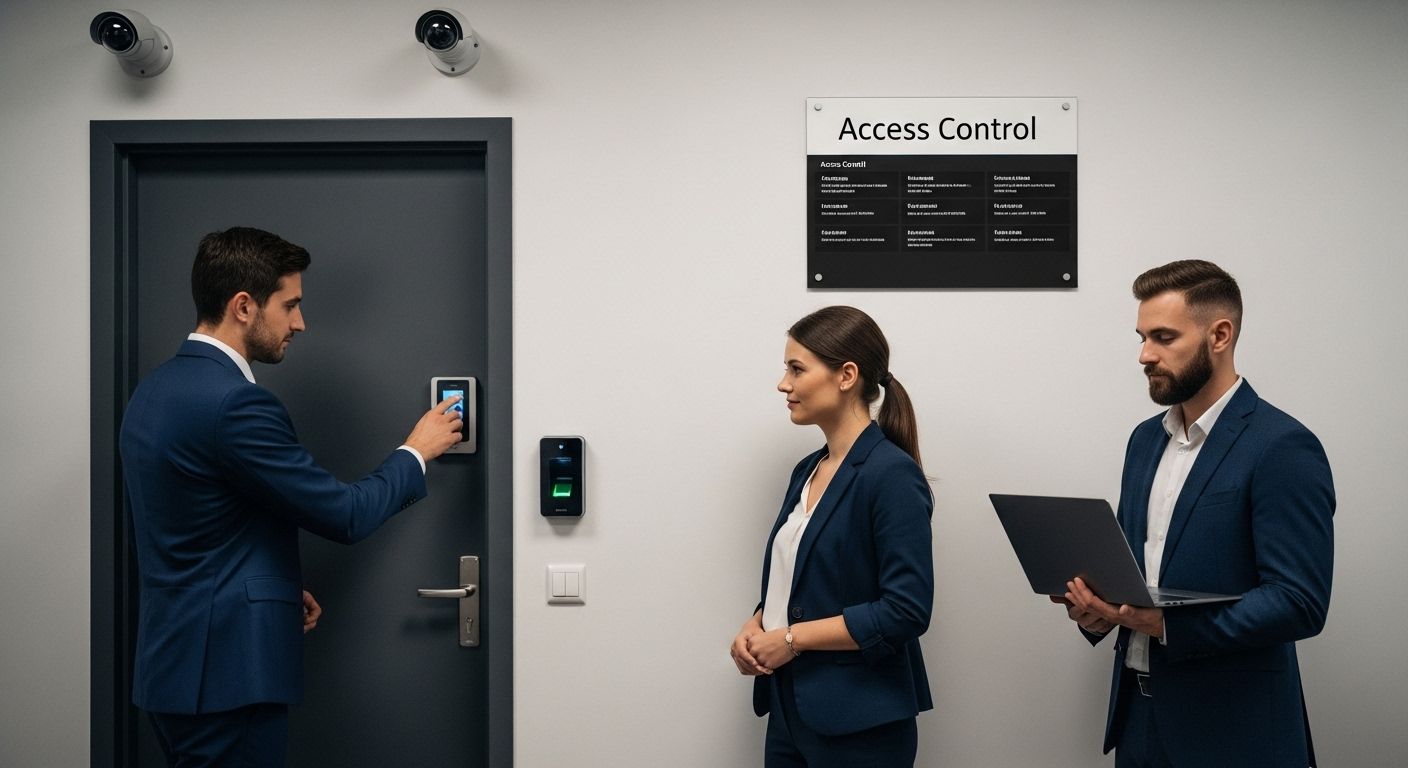
Any conscious action with the expected result of opening a door. This includes but is not limited to: wall- or jamb-mounted contact or non-contact switches such as push plates; the action of manually opening (pushing or pulling) a door; and controlled access devices such as keypads, card readers, wireless transmitters and key switches.
While the Alberta Accessibility Design Guide notes that for a door to satisfy the knowing act requirement:
1) The mechanism to open the door cannot be triggered by a passive motion sensor like you would find in a retail space. Instead, the mechanism must be triggered by a physical switch, card reader, scanner, touchless plate or limited-range wave sensor.
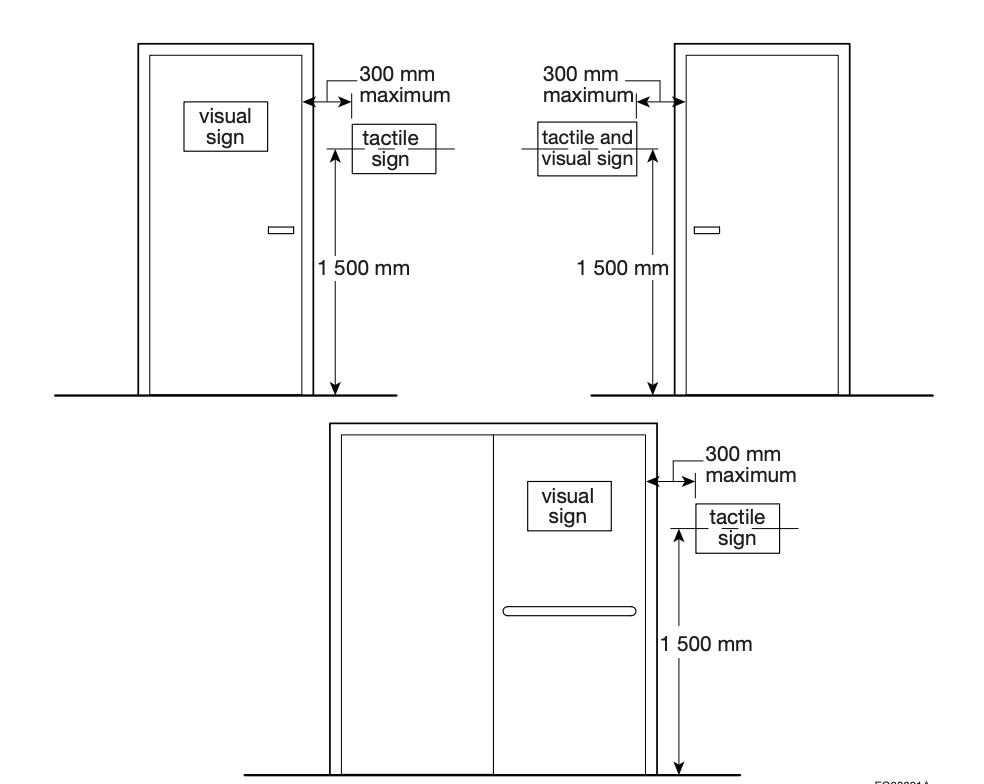
2) The physical switch or touchless plate must be placed between 34 inches and 48 inches (865 mm to 1220 mm) above the floor. It must be located within view of the door, 1 to 5 feet away from the jamb, and positioned so that a person in a wheelchair can activate it without blocking the swing path of the door.
Why it matters for accessibility
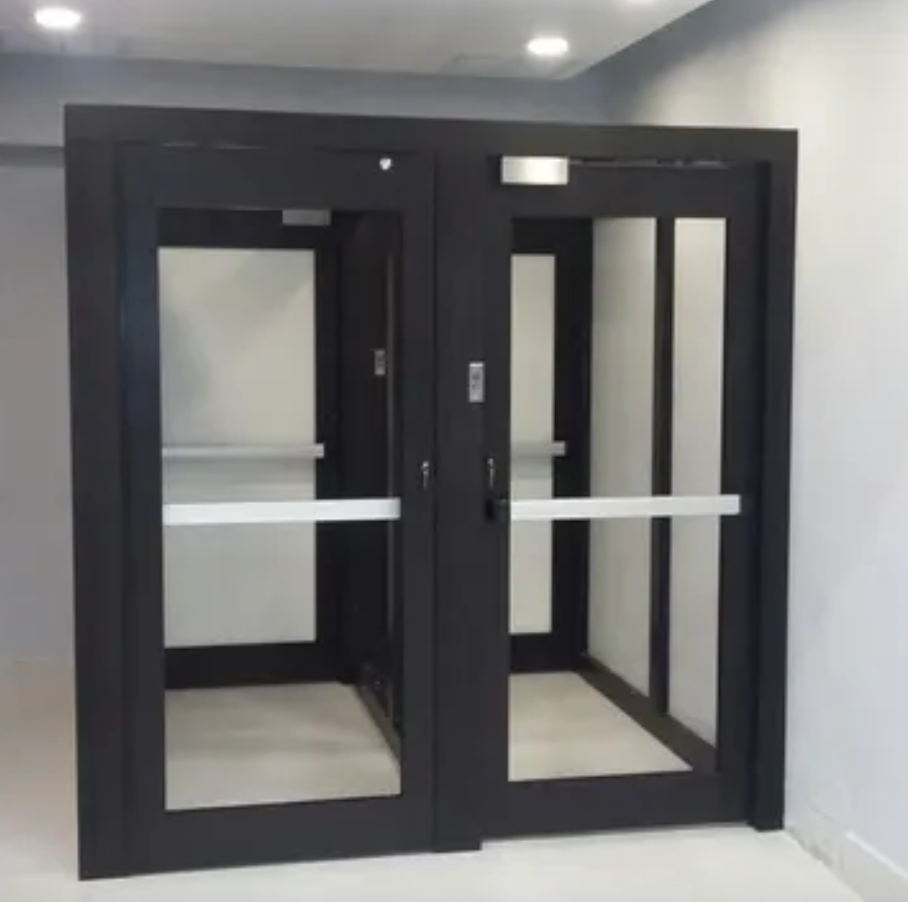
Simply put, understanding why a door is accessible and how it is defined is essential when you’re creating an accessible space with doors that meet the local and provincial accessibility requirements. In Edmonton, low-energy doors are the go-to certified accessible doors, paired with actuators and low-energy operators to create an accessible door system that meets and exceeds the international standards.
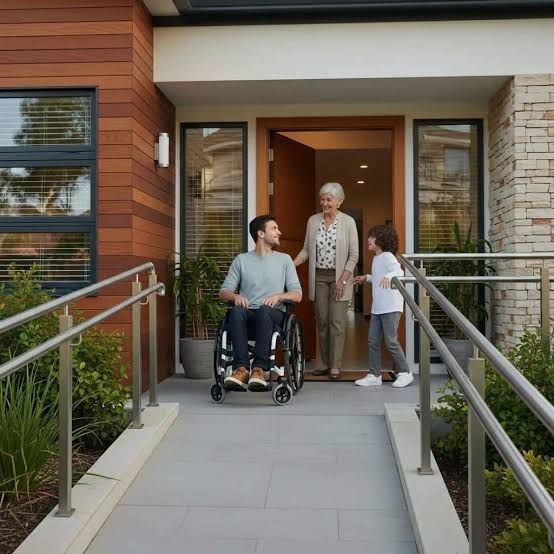
Unlike other automatic doors on the market, low-energy doors open slowly and with limited force, giving people with walkers, wheelchairs, or even strollers time to enter or exit the bathroom without being bumped, hit, or crushed by a heavy door. When paired with an actuator, these door systems give users complete control, so when a user is ready, they can activate the door and match their pace without rushing or dealing with an unexpected closure.
Specifically, for a low-energy door to meet the ANSI/BHMA A156.19 standard, its low-energy operator must be paired with a button, card reader, or sensor that requires a knowing act to open the door.
Test Your Knowledge
So, with all of that information, let’s do a couple of examples with answers to see if you now understand what a knowing act is, and what it is not.
Question One:
Is an actuator outside of a door that opens and closes the door automatically when pushed considered a knowing act?
Yes, this is a textbook example of a knowing act, as a user must activate the door through a conscious action.
Question Two:
Is an automatic door that uses a sensor to open a knowing act?
No, an automatic door that uses a sensor to open and close when an object or person walks in front of it is not considered a knowing act. Motion sensors can be considered a knowing act, but they need to be at waist or chest level and have a limited range to fall under the provisions.
Question Three:
Is a hotel desk clerk using a wireless button to activate a door when a guest arrives considered a knowing act?
Yes! This one is tricky, but per the ANSI/BHMA standard, because the low-energy door is still being operated by a knowing act, it does count. It just happens to be done by someone inside the building, rather than the person using the door.
How did you do? It is okay if you struggled with this one, as that is where our accessibility experts can help. From low-energy doors to barrier-free washrooms, our team supports your accessibility needs across Edmonton and Fort McMurray with accessible door services that create a more welcoming, accessible space for your company.