How smart sensors are changing the automatic door industry

Mike Ridgway • May 1, 2026

Share this article

See why smart sensors might be the right choice for your next building upgrade:

Smart sensors are revolutionizing the automatic door industry by enhancing safety, improving accessibility, and enabling smart maintenance. These sensors also increase energy efficiency and allow seamless integration with smart building infrastructure. From commercial offices to hospitals and schools, smart sensor technology is transforming automatic doors well beyond simple motion-activated systems, making them more responsive, efficient, and intelligent.

What are smart sensors?

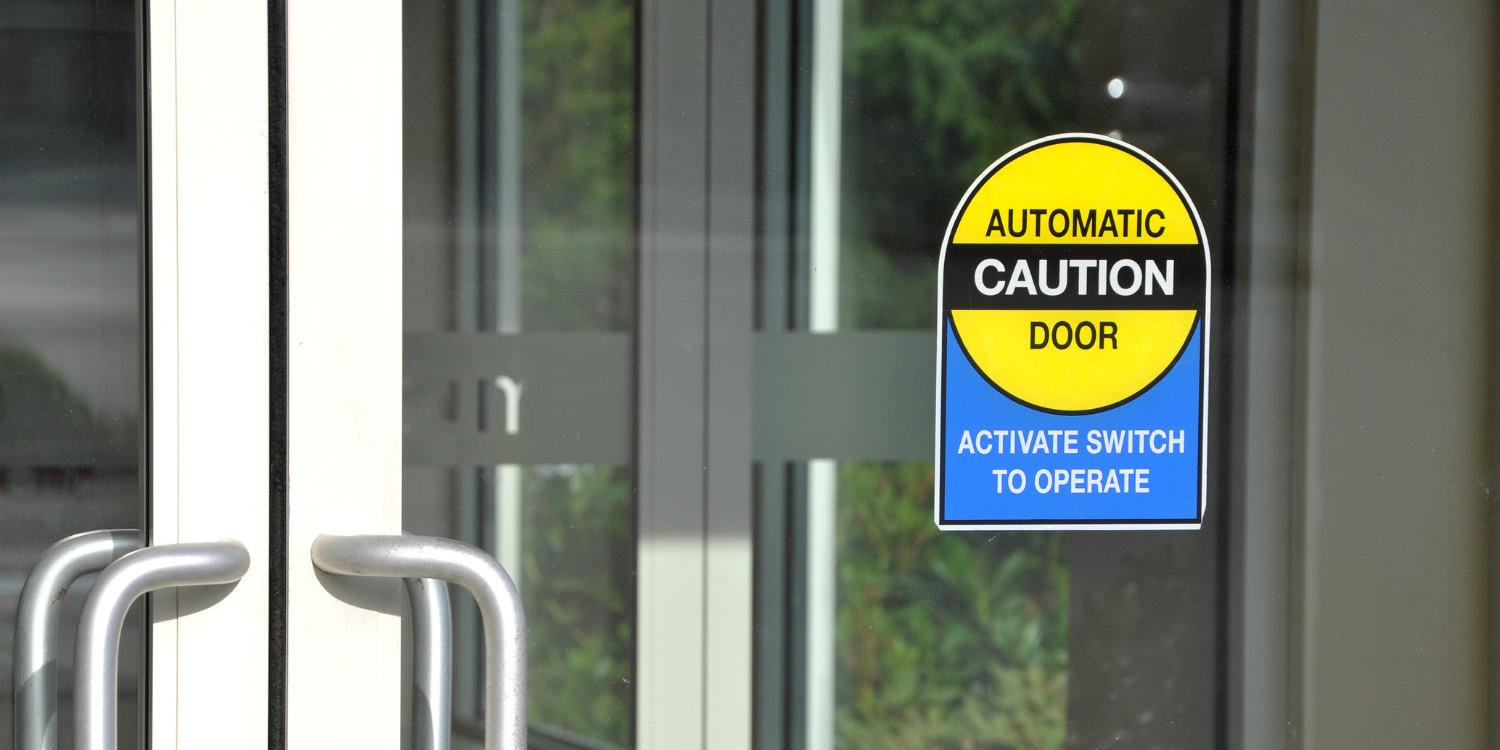
Traditional automatic doors usually rely on pressure points or basic motion sensors that trigger the door to open in response to a preset signal. While these systems significantly improve accessibility and efficiency compared to manual doors, they are limited in their ability to interpret movement precisely. New technologies are changing this landscape. Smart sensors use advanced systems such as LiDAR (Light Detection and Ranging), infrared, and radar to distinguish between people, objects, and environmental changes. This allows doors to respond more accurately. As a result, automatic doors operate more smoothly, reduce unnecessary activation, and deliver a smoother user experience.

Enhanced Safety 

For any building, safety is a top priority, and advanced smart sensors are significantly improving how automatic doors keep occupants and visitors safe. These sensing systems continuously monitor the environment in real time, detecting obstacles, sudden movements, and unusual patterns near the door. If someone were to unexpectedly stop in a doorway, the system can instantly stop or reverse the movement to prevent collisions or accidents. Smart sensors are also highly effective in managing high-traffic environments. They can analyze movement patterns and dynamically adjust door behaviour, such as how long a door remains open during peak periods. Some systems even use AI-driven analysis to predict congestion and adapt in advance, helping to maintain smooth flow at entrances and exits. This improves not only physical safety but also the overall user experience. 

Improved Accessibility 

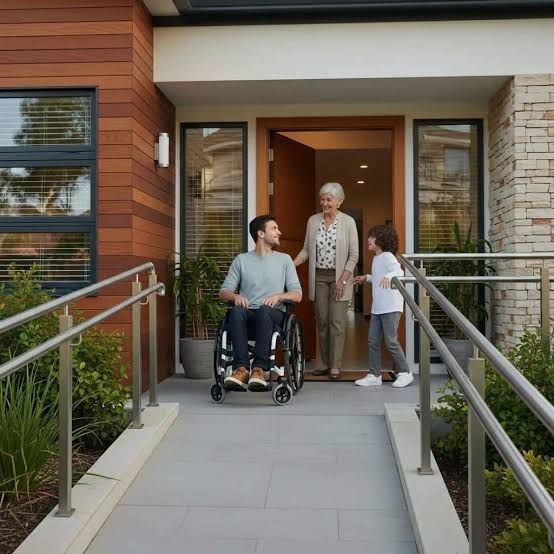
While automatic doors are already essential for individuals with mobility challenges, smart sensors further enhance inclusivity. These systems can detect a user’s speed, direction, and proximity, adjusting door timing and responsiveness accordingly. For example, individuals using wheelchairs, walkers, or mobility aids benefit from longer open times and more sensitive activation zones, ensuring the door does not close prematurely. This adaptive behaviour is particularly important in environments such as hospitals, schools, and retail stores, where diverse user needs must be accommodated. By responding intelligently to different movement patterns, smart sensor systems help buildings meet accessibility standards while also creating a more comfortable experience for all users. 

Smart Maintenance 

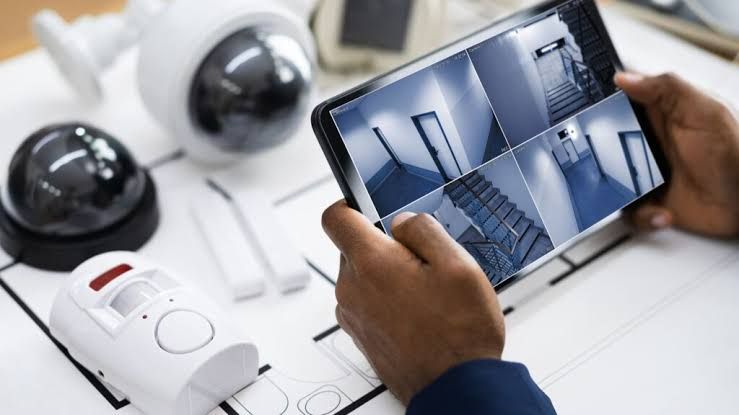
Another major advantage of smart sensors is predictive maintenance. These systems can monitor door performance in real time, identifying early signs of wear or mechanical failure. Instead of waiting for a breakdown, building operators receive alerts when maintenance is needed. This proactive approach reduces downtime, extends the lifespan of door systems, and lowers long-term repair costs. It also minimizes the need for emergency service calls and prevents disruptions in high-traffic environments. Over time, smart maintenance leads to more efficient facility management overall. 

Energy Efficiency 

Energy efficiency is a growing concern in building design, and automatic doors play a surprisingly large role in energy loss. When doors open too frequently or unnecessarily, heated or cooled air escapes, forcing HVAC systems to work harder to maintain indoor temperatures. This increases both energy consumption and operating costs. Smart sensors address this issue by ensuring doors open only when there is a clear and intentional user approach. By filtering out irrelevant movement, such as passing pedestrians or nearby objects, they reduce unnecessary door cycles. Some systems also adjust sensitivity based on environmental conditions, further optimizing energy use and reducing costs. 

Smart Building Integration 

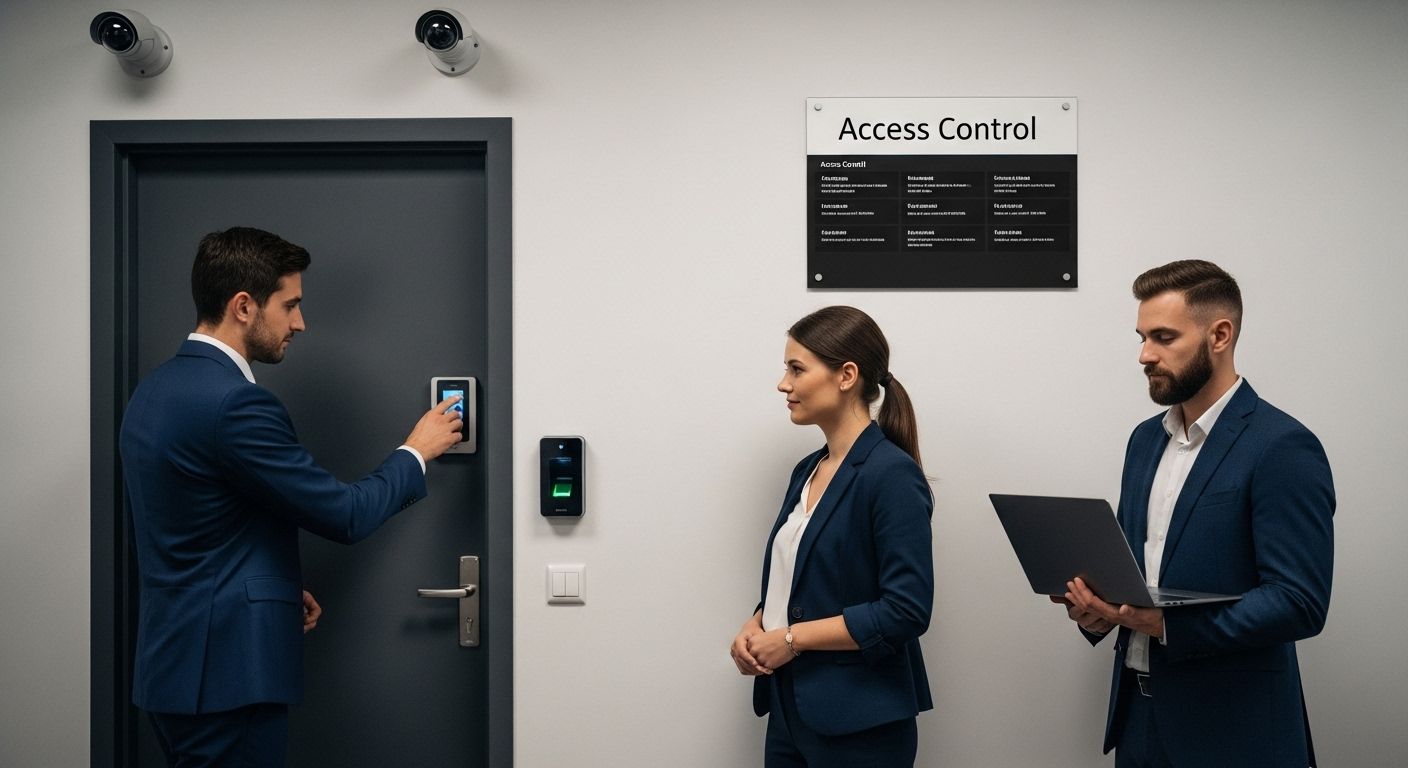
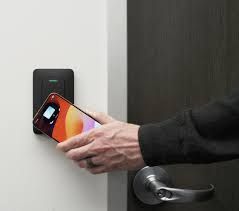
Many modern buildings integrate broader smart building management systems that serve as a centralized hub for operations such as lighting, security, HVAC, and energy management. Automatic door systems can be integrated into these management ecosystems using smart sensors. This can help enhance security as smart sensors can monitor occupancy and restrict access to authorized personnel. They can also integrate with the building’s HVAC system to further improve energy efficiency. Some sensors can detect a high volume of foot traffic outside and adjust their sensitivity to avoid unnecessary usage, helping regulate the building’s temperature. By adopting smart sensors, you can integrate your building’s automatic door system with other building functions, creating a streamlined management system. 

As smart sensors continue to evolve, automatic doors have moved beyond basic motion detection technology toward intelligent, data-driven operation. These advancements improve building accessibility, safety, efficiency, and sustainability, while also allowing integration with broader smart building management systems. As buildings become smarter, automatic doors are not just convenient; they are a part of dynamic, responsive systems. 

Recent Posts

By Mike Ridgway May 1, 2026
Learn about the top design features of a modern barrier-free bathroom that is not only code-compliant here in Edmonton, AB, but is aesthetically pleasing and safe for staff, guests and clients.
By Mike Ridgway May 1, 2026
Open the door to discover the top commercial building entrance trends for 2026, including touchless and smart door tech, integrated security, spacious lobbies, energy-efficient automated doors, climate-resilient systems, and biophilic design.
By Mike Ridgway May 1, 2026
Learn how low-energy automatic door systems enhance accessibility, improve hygiene, increase safety, and support sustainability in modern buildings, making them a reliable and flexible solution for commercial, residential, and industrial spaces.
By Mike Ridgway May 1, 2026
Creating solutions that work for you and your clients or tenants depends on the size of your organization and what is going to allow the ideal functionality your team requires.
By Mike Ridgway May 1, 2026
Choosing the right access control technology starts by exploring the options available. Here are a few of the most common choices clients use on commercial, multifamily, and residential properties.