Different Types of Access Control

Mike Ridgway • May 1, 2026

Share this article

Key Cards

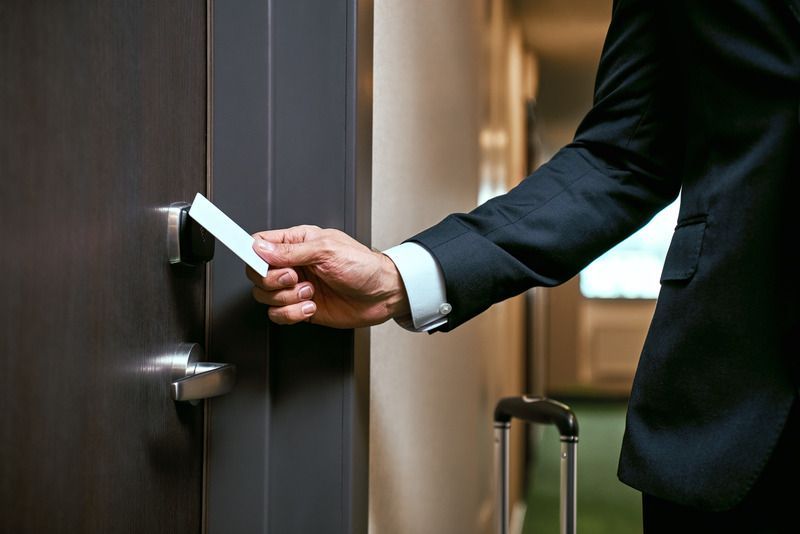
A key card is a form of physical credential in the shape of a card. This credential is used to open the locked area either by swiping or tapping on the reader. With a cloud-based access control system, this credential can be set up, activated and deactivated remotely. Key cards & fobs are much more difficult to copy than a traditional key and can be deactivated remotely. This helps to reduce the risk that comes with losing your credentials.

Key Cards

A key card is a form of physical credential in the shape of a card. This credential is used to open the locked area either by swiping or tapping on the reader. With a cloud-based access control system, this credential can be set up, activated and deactivated remotely. Key cards & fobs are much more difficult to copy than a traditional key and can be deactivated remotely. This helps to reduce the risk that comes with losing your credentials.

Keypads

Keypads used pin-based entry to allow access to the locked area. This allows for the pin code to be changed for security reasons anytime and can be shared as needed. Keypads can be used in combination with any of the above credentials for an added layer of security.

Key Fobs

A key fob is a type of physical credential, typically a small, round disc, that is used to unlock an electronic access control system. With a cloud-based access control system, this credential can be set up, activated and deactivated remotely. Both fobs and key cards are great alternatives for those who do not have access to a smartphone.

Mobile Credentials

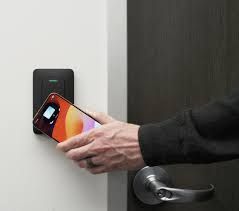
A mobile credential is a digital key used to enter a building or room using a smartphone. These credentials can be set up, activated and deactivated at any time, remotely. These credentials can be in the form of an app, a QR code or a temporary pass that is texted or e-mailed. No more losing or replacing keys or fobs; everything is right on your phone. Mobile credentials can also have the added convenience of being able to unlock the door by being in close proximity to the reader, rather than pulling out your credential to unlock the door.

Different Types of Access Control & Credentials

Mobile Credentials

A mobile credential is a digital key used to enter a building or room using a smartphone. These credentials can be set up, activated and deactivated at any time, remotely. These credentials can be in the form of an app, a QR code or a temporary pass that is texted or e-mailed. No more losing or replacing keys or fobs; everything is right on your phone. Mobile credentials can also have the added convenience of being able to unlock the door by being in close proximity to the reader, rather than pulling out your credential to unlock the door.

Key Fobs

A key fob is a type of physical credential, typically a small, round disc, that is used to unlock an electronic access control system. With a cloud-based access control system, this credential can be set up, activated and deactivated remotely. Both fobs and key cards are great alternatives for those who do not have access to a smartphone.

Key Cards

A key card is a form of physical credential in the shape of a card. This credential is used to open the locked area either by swiping or tapping on the reader. With a cloud-based access control system, this credential can be set up, activated and deactivated remotely. Key cards & fobs are much more difficult to copy than a traditional key and can be deactivated remotely. This helps to reduce the risk that comes with losing your credentials.

Keypads

Keypads used pin-based entry to allow access to the locked area. This allows for the pin code to be changed for security reasons anytime and can be shared as needed. Keypads can be used in combination with any of the above credentials for an added layer of security.

Lock & Keys

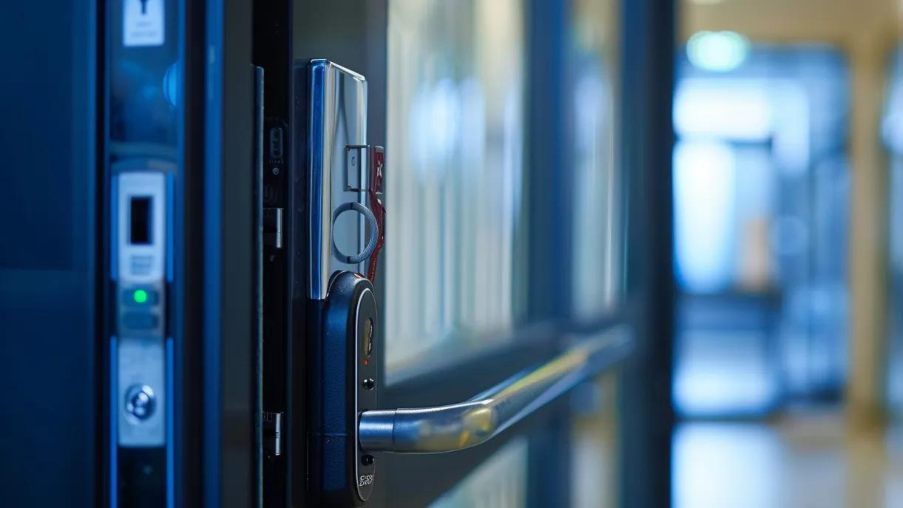
There are still your traditional keys used to open mechanical locks. However, there are now also electronic keys used to open electronic locks. Electronic keys and locks have the convenience of remote management along with a higher level of security than your traditional lock & key. The electronic key makes it easy to modify access rights for each user and need. If a key gets lost, the key can’t be revalidated, which reduces security risk without rekeying.

Biometric Scanners

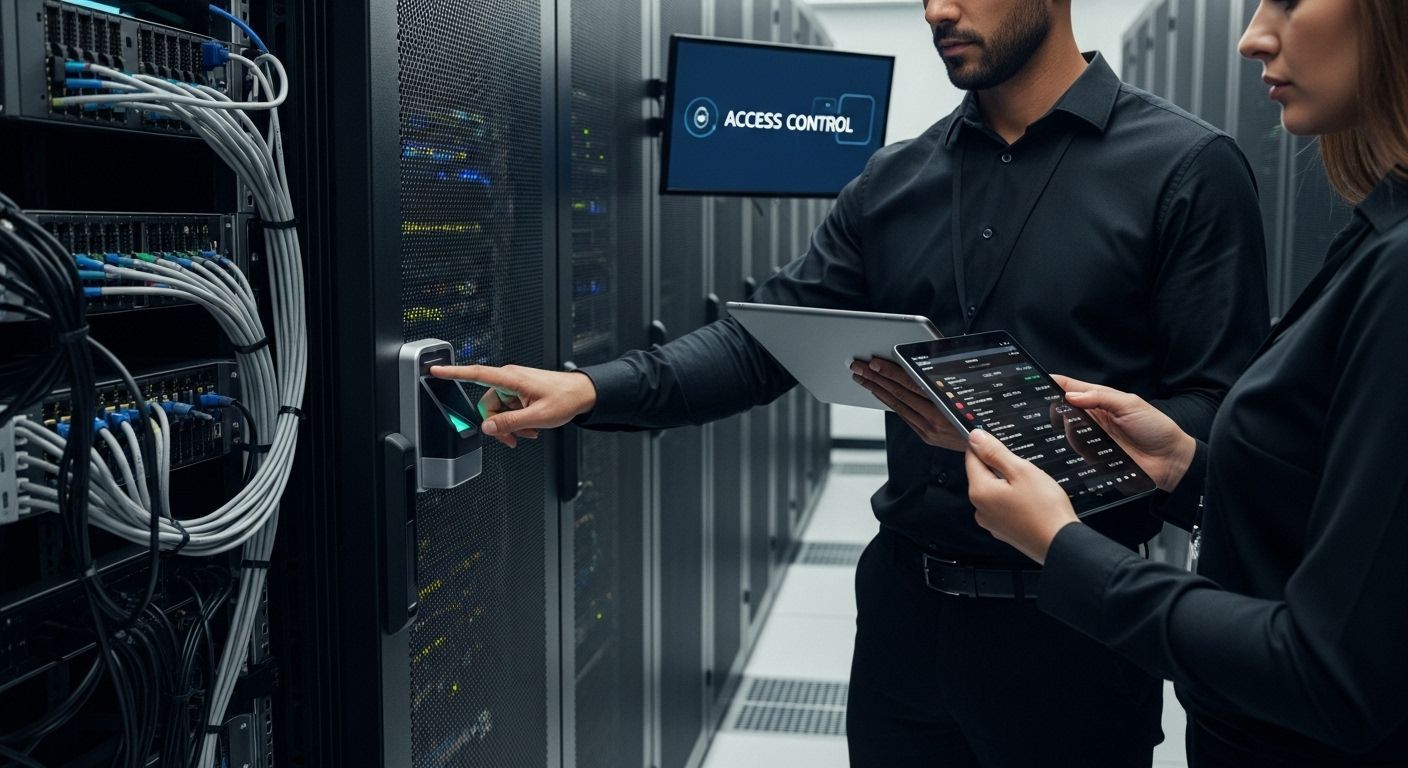
Biometric authentication refers to the process of verifying a user using their unique biological traits. The most common types of biometric authentication are fingerprints, voice recognition, facial recognition and eye scanners. However, this is not a method of authentication that is found in typical security systems.

Recent Posts

By Mike Ridgway May 1, 2026
Learn about the top design features of a modern barrier-free bathroom that is not only code-compliant here in Edmonton, AB, but is aesthetically pleasing and safe for staff, guests and clients.
By Mike Ridgway May 1, 2026
Open the door to discover the top commercial building entrance trends for 2026, including touchless and smart door tech, integrated security, spacious lobbies, energy-efficient automated doors, climate-resilient systems, and biophilic design.
By Mike Ridgway May 1, 2026
See why companies in Edmonton are embracing smart sensors for their buildings to provide enhanced safety, improved accessibility, energy efficiency, and seamless building system integrations. 
By Mike Ridgway May 1, 2026
Learn how low-energy automatic door systems enhance accessibility, improve hygiene, increase safety, and support sustainability in modern buildings, making them a reliable and flexible solution for commercial, residential, and industrial spaces.
By Mike Ridgway May 1, 2026
Creating solutions that work for you and your clients or tenants depends on the size of your organization and what is going to allow the ideal functionality your team requires.