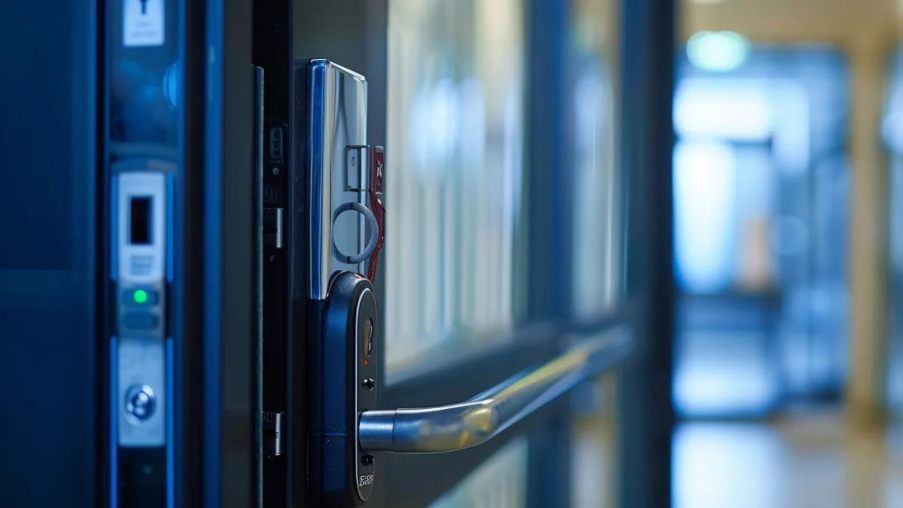
Access control isn't new, but emerging trends could shape where the industry goes over the next few years. From a shift to mobile-first credentials to AI-assisted systems that make accreditation a breeze, these new features could soon arrive at an office or multifamily building in Edmonton. In this blog, we'll look at trends in access control that could represent a structural shift in how your access control system manages who enters your building, when, and how.
Say Goodbye to the Badge, and Hello to your Phone
As more of us move to a mobile-first approach in our business operations, it’s no surprise that mobile credentials are becoming mainstream. With a mobile wallet, your security teams can monitor access attempts in real time, apply strict geofencing rules to keep visitors or curious interns out of secure areas, and enjoy a more secure building with seamless access control. We're not saying badges and RFID chips are being retired, but we are seeing more and more large companies embrace a mobile-first approach. This can mean your company will be matrixing its access for a bit, but when a professional access control company manages it properly, the switch from keycard to mobile can happen without major interruptions.
Biometrics and AI are a Real Focus
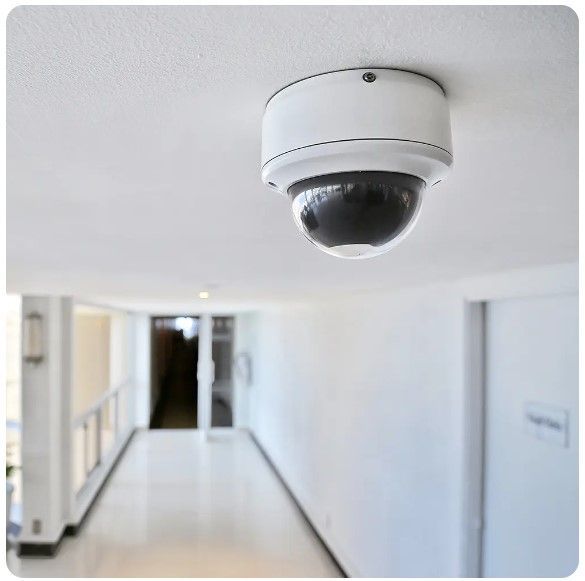
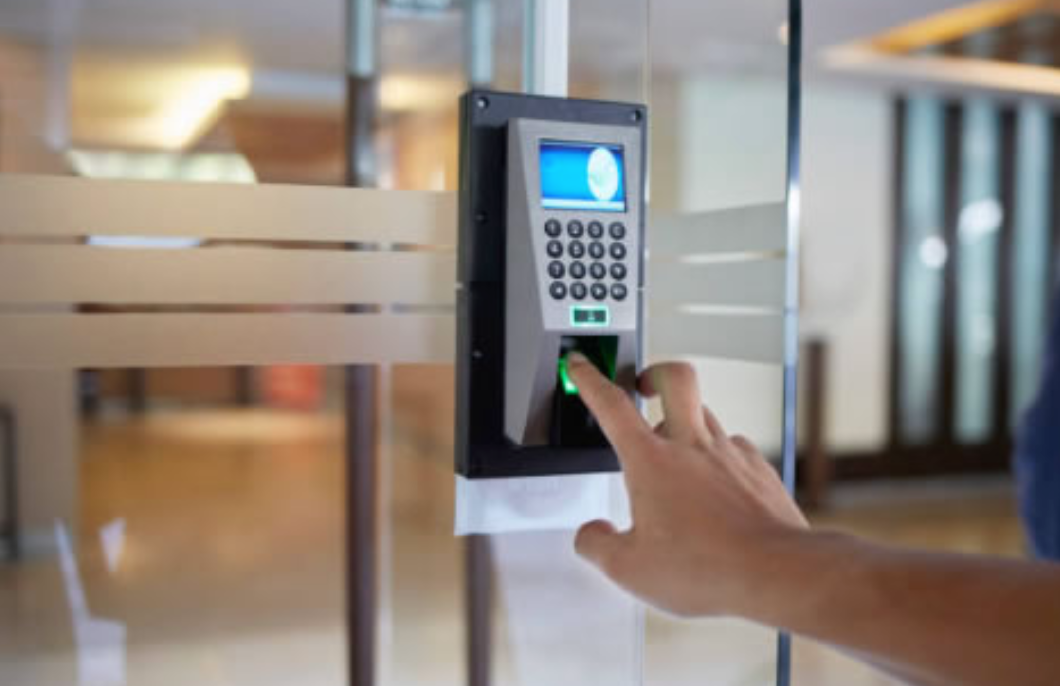
AI is already in our workflows, so adding it to our access control systems isn't much of a leap. We are seeing AI-powered access control become more mainstream, enabling seamless integration and reducing login friction common with some authenticators. When paired with biometric sign-ins from a phone, users can use a fingerprint or facial scan and enjoy a single sign-on window, while the AI-powered system tracks unusual access patterns and flags potential issues before they become problems.
Cloud and Managed Systems are no longer just for Early Adopters
For many companies, the move to the cloud started over a decade ago. However, in the access control space, this shift has been slower, but we are starting to see more and more companies opt for a cloud and managed-system approach. These cloud-based systems are expected to double in usage over the next five years and will be essential for any company upgrading multiple buildings or campuses, looking to scale without major infrastructure overhauls, or seeking remote services and integrations that work at scale.
Going Green with Your Access Control Investments
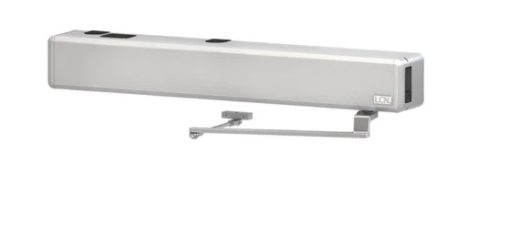
Sustainability isn't just a buzzword in the access control space, and organizations looking for innovative ways to reduce their carbon footprint are exploring greener access control options. This includes Power over Ethernet and Wi-Fi-enabled locks that are modern and use less power than other electric strike methods. Other options include replacing older scanners with modern ones and switching to automated door operators connected to actuators, which can lower costs and help your building stay greener every day.
Digital-first Identity is Becoming the Norm
We are seeing more access control systems that focus on identity and link physical access to your company's human resources and information technology systems. This kind of digital-first identity focuses on mobile credentials, remote permissions, real-time monitoring and some level of automation for both the user and controller. With digital-first identity built in, your systems can trigger access changes when people leave the company and reduce orphaned credentials, which can be a serious security risk in more manual systems.
Looking at Access Control Data as Intelligence
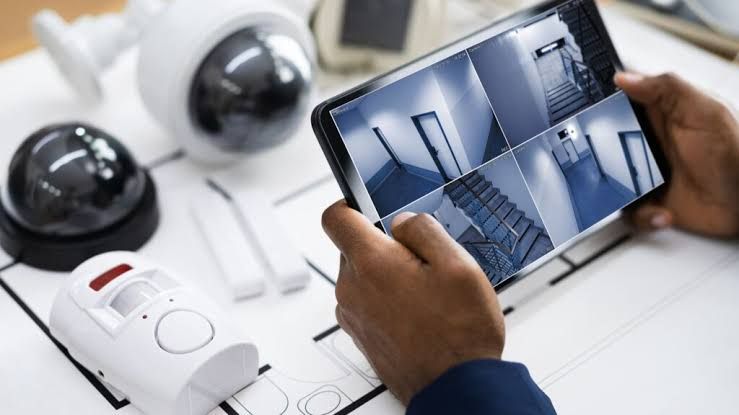
Access control data has long been a log you check when something goes wrong. But many companies are looking at the incoming data and seeing an opportunity to use it as part of their business intelligence network. Combined with artificial intelligence agents and cloud analytics, this access control data provides measurable business value. For instance, you could use the data to be able to understand traffic patterns within your building and get a better idea of space utilization on the floor. You can also use the system to test different setups, sign placements, and even right-size space for your workers. The possibilities are endless, and to think, you had the data this entire time.
Access control in 2026 is an exciting time. We are seeing a shift to a mobile-first approach that harnesses available data and empowers you to make informed decisions about access control and future planning. Whether you are looking to scale your company and open multiple locations or upgrade your existing access control software, now is the time to invest and reap the benefits, such as seamless credentials that are tied into your digital systems, streamlined guest and contractor access and AI-powered monitoring that will alert you to something out of the ordinary.