The benefits of low-energy automatic door operators

Mike Ridgway • May 1, 2026

Share this article

What are the benefits of low-energy automatic door systems?

How low-energy automatic doors could benefit your building:


Low-energy automatic door systems are an increasingly common feature of modern buildings, from residential apartments to commercial and industrial spaces. These systems offer a practical alternative to manual or high-powered automatic doors. Operating at a slower, more controlled speed, these systems improve building accessibility, safety, and energy efficiency. Whether it's a folding door system for tight spaces, an automatic swing door for commercial areas, or assisted revolving doors for main entrances, low-energy automatic door systems are a reliable solution that meets standards for convenience, safety, and inclusivity. 

Improving Accessibility

A key advantage of low-energy automatic door operator systems is their ability to significantly improve accessibility. Traditional doors can be a constant obstacle for individuals with mobility challenges, making everyday navigation more difficult. Automatic systems help ensure that everyone can access buildings and move through spaces with ease. Beyond meeting accessibility standards, they also create a more welcoming environment. Whether it's a delivery worker, parents with strollers, or someone juggling groceries and a coffee, an automatic door makes it easier for people to enter and exit smoothly. Low-energy systems support independence and ease of movement in a way manual doors simply cannot, helping buildings better serve a wider range of users. 

Better Hygiene 

Low-energy automatic door systems are also an effective way to improve hygiene within your building. Touchless operation, such as wave sensors or push-button activation, reduces the need to touch door handles, minimizing the spread of germs. This is especially valuable in high-traffic environments like building entrances, offices, and healthcare settings. By limiting shared contact points and maintaining separation between clean and potentially contaminated areas, automatic doors help create a safer, more sanitary space for occupants and visitors alike. 

Enhanced Safety 

With their low-speed operation and built-in safety features, low-energy automatic doors offer clear safety advantages. High-energy doors that open quickly can pose a risk of injury, particularly in busy environments. Low-energy systems are designed to move slowly and predictably. Many include sensors that stop or reverse the door when an obstacle is detected, helping prevent collisions. In addition, these systems can integrate with access control technologies such as keycard readers or mobile credentials, allowing you to manage entry points more securely while maintaining ease of use.

Easy Installation and Retrofitting 

Another major benefit of low-energy automatic door systems is how simple they are to install, even in existing doors, typically without requiring any significant structural changes to your space. This is a great way to modernize older buildings or businesses without undergoing major renovations. Our team at Accesio can add automated hardware to any man-door, steel door, or specialized swing or folding door. With quick, minimally disruptive installation, low-energy automatic door systems are the perfect way to improve your space’s accessibility. 

Energy Savings and Sustainability 

Although they are powered systems, low-energy doors are highly efficient and have sustainability benefits by reducing the building’s HVAC energy consumption, minimizing your costs and carbon footprint. As their name says, low-energy automatic doors consume less electricity than high-energy systems. Additionally, these systems open only when needed, helping to maintain indoor temperatures. By operating efficiently, less air escapes through unnecessary opening cycles. This can help lower your heating and cooling costs because your HVAC system is not overcompensating for temperature fluctuations. Low-energy automatic door systems are also made from durable materials, reducing the need for premature replacements and minimizing waste. By investing in an automatic door system, you can save on repair and energy costs in the long run.

Design Flexibility 

Low-energy automatic door operator systems are highly versatile and can be adapted to a wide range of building types and architectural styles. They are compatible with various door configurations, including swing, slide, and folding systems. These door systems are also customizable with their various activation methods, finishes, security systems and hardware options. They can blend in with whatever design aesthetic your space requires, whether it's a modern commercial property or a more traditional residential building. The flexibility in style is another key benefit of investing in a low-energy automatic door system. 

Low-energy automatic door operators may seem like a small upgrade, but their impact is significant. They improve accessibility, enhance safety, and support energy efficiency without requiring major renovations. Easy to install and retrofittable to many environments, they are a practical choice for both new and existing buildings. As expectations for convenience and inclusivity continue to grow, our team at Accesio offer a simple way to improve everyday experiences while supporting long-term building performance and sustainability goals.

Recent Posts

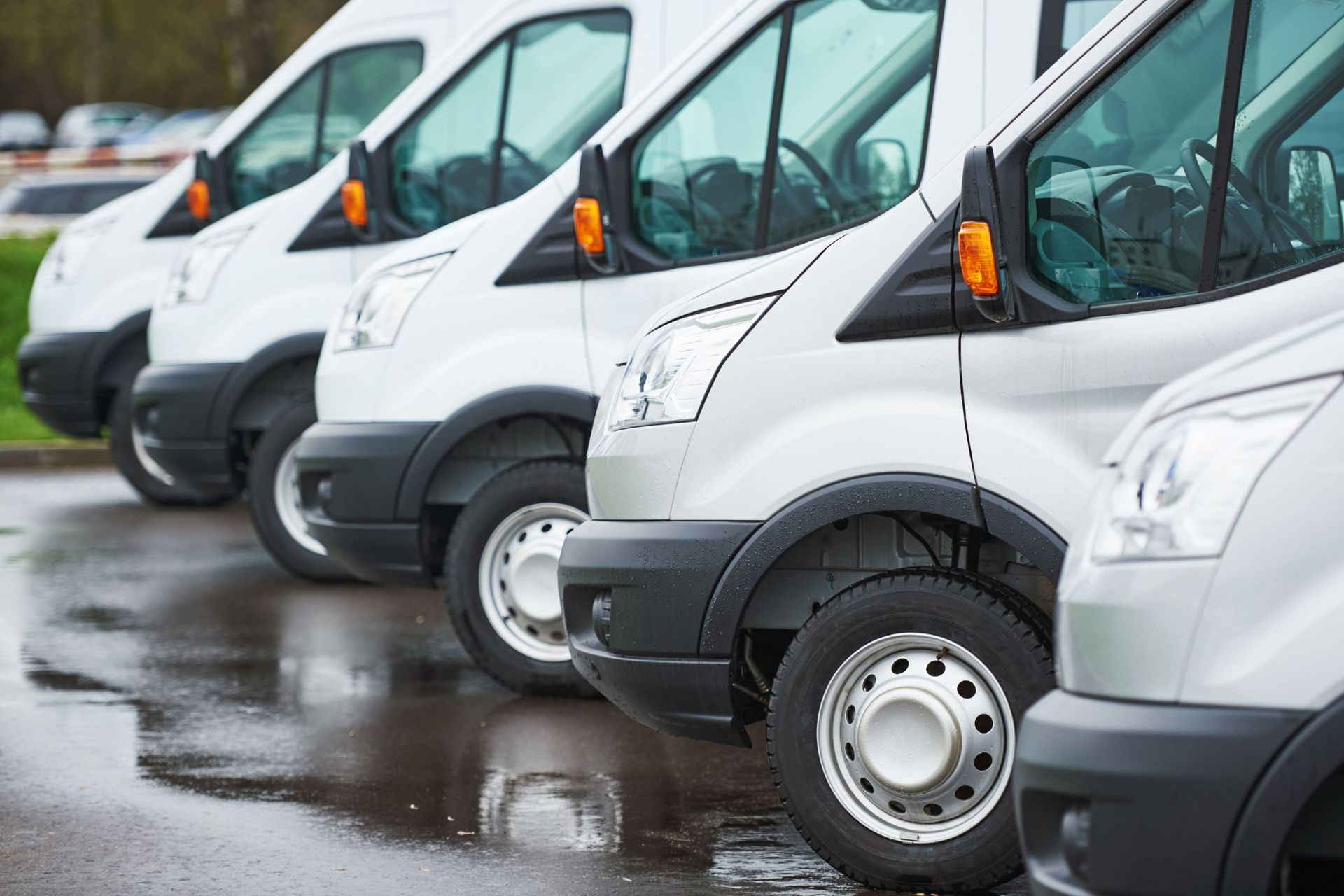
Row of white delivery vans parked on a wet street
October 21, 2026
See how fleet management services help growing Edmonton businesses reduce admin work, track vehicles, optimize routes, manage maintenance, and scale with confidence.
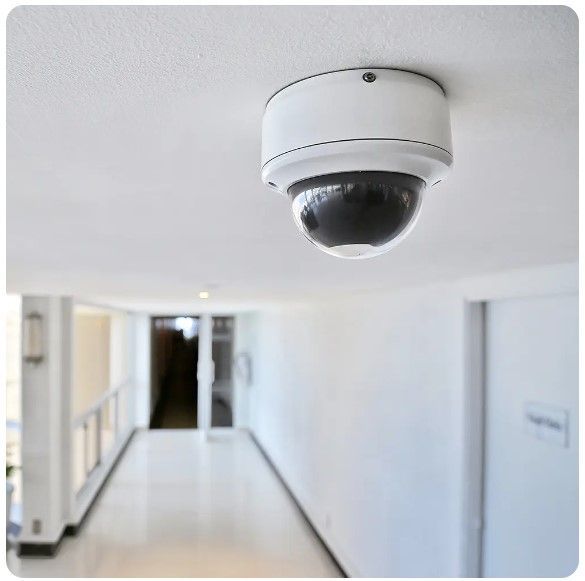
Ceiling-mounted security camera in a bright hallway corridor
October 13, 2026
Discover how AI-powered surveillance helps Edmonton commercial and multifamily properties improve real-time response, recognition, safety, and security operations.
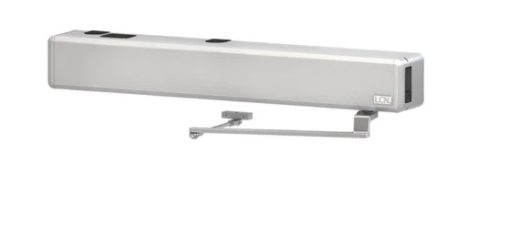
Silver wall-mounted power-assist door operator with arm bracket
October 8, 2026
Learn how power-assist door operators can improve accessibility, reduce opening force, and help Edmonton properties meet building code standards in Alberta.
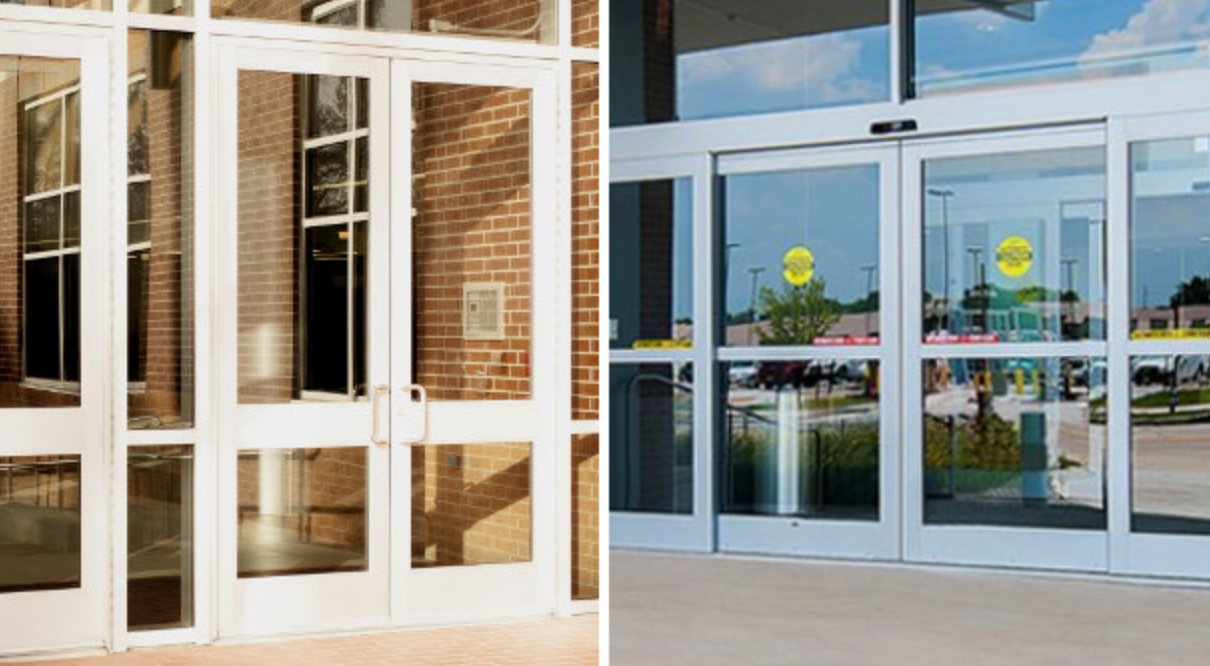
Glass entrance doors to a brick building with reflections and yellow circular safety signs
September 29, 2026
Choose the right automatic door for your Edmonton property. Compare automatic swing and automatic sliding doors for accessibility, traffic flow, security and space.
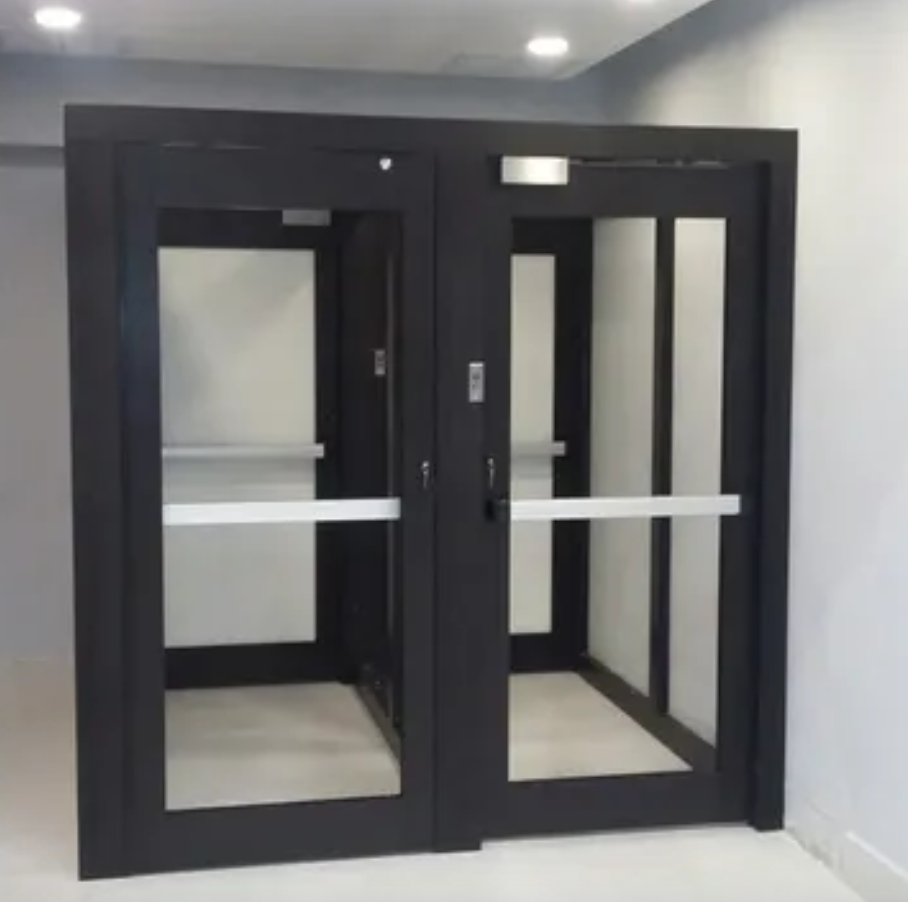
Two black-framed glass sliding doors in a gray hallway
September 25, 2026
Learn how 2027 IBC interlock code changes could affect Alberta buildings, including the safety requirements like override switches, egress and smoke detection.
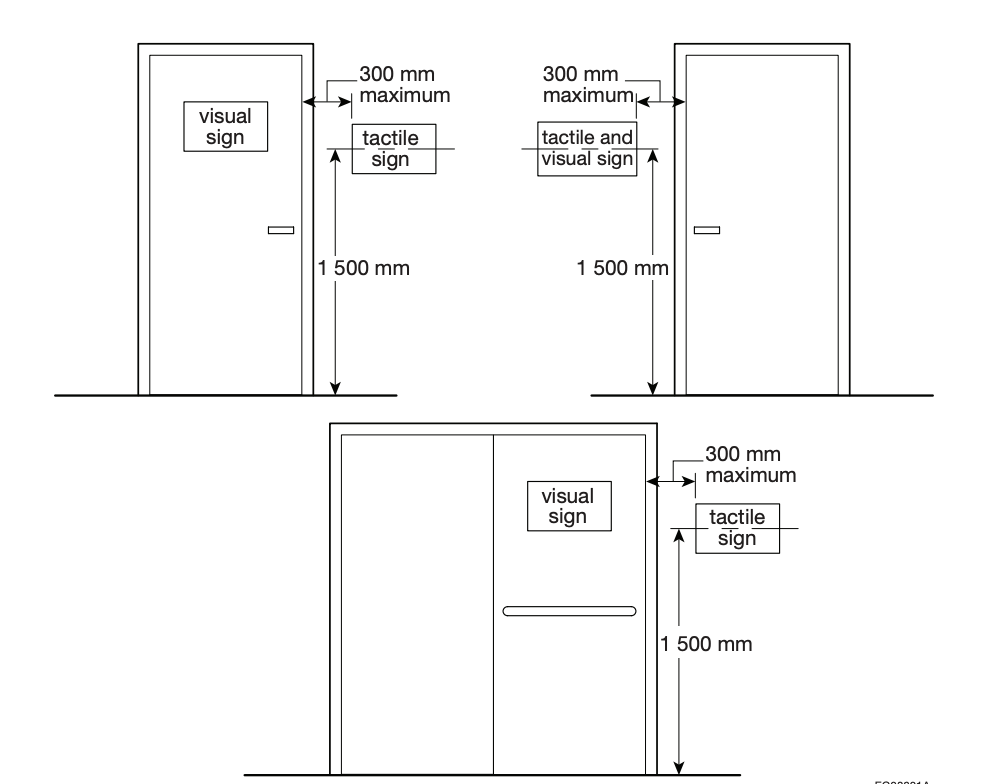
Accessibility doorway diagrams showing 300 mm tactile sign placement and 1,500 mm height from floor
September 22, 2026
Learn where to place accessible door signage in Alberta, including automatic and low-energy door requirements for safer, code-compliant buildings in Edmonton.
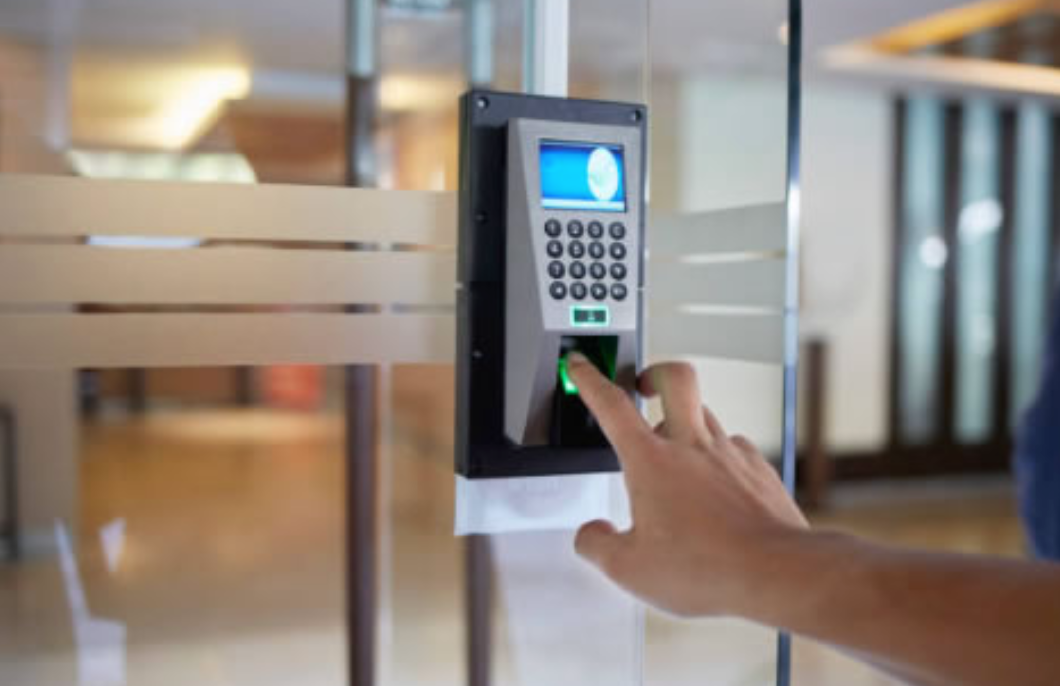
Hand pressing a keypad on a wall-mounted access control panel by a glass door
September 20, 2026
Learn more about the concept of a knowing act and how it interacts with your door operations, accessibility designs and long-term building planning in Edmonton.
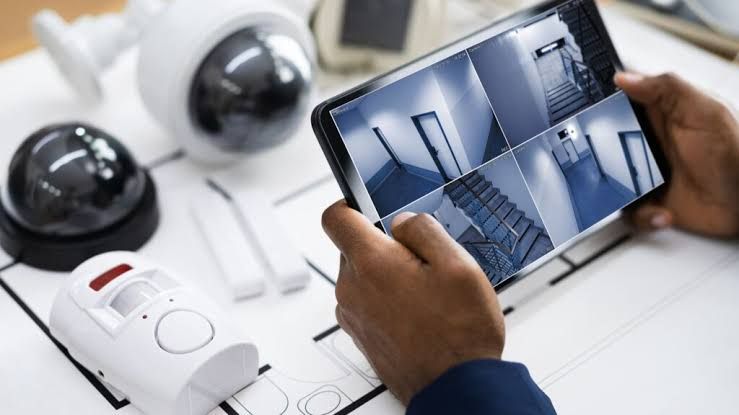
Hands holding a tablet showing a blue-toned home security camera feed on a white desk.
August 28, 2026
Explore how AI affects cybersecurity and access control, from phishing and deepfake risks to smarter monitoring, stronger policies, and better physical security.
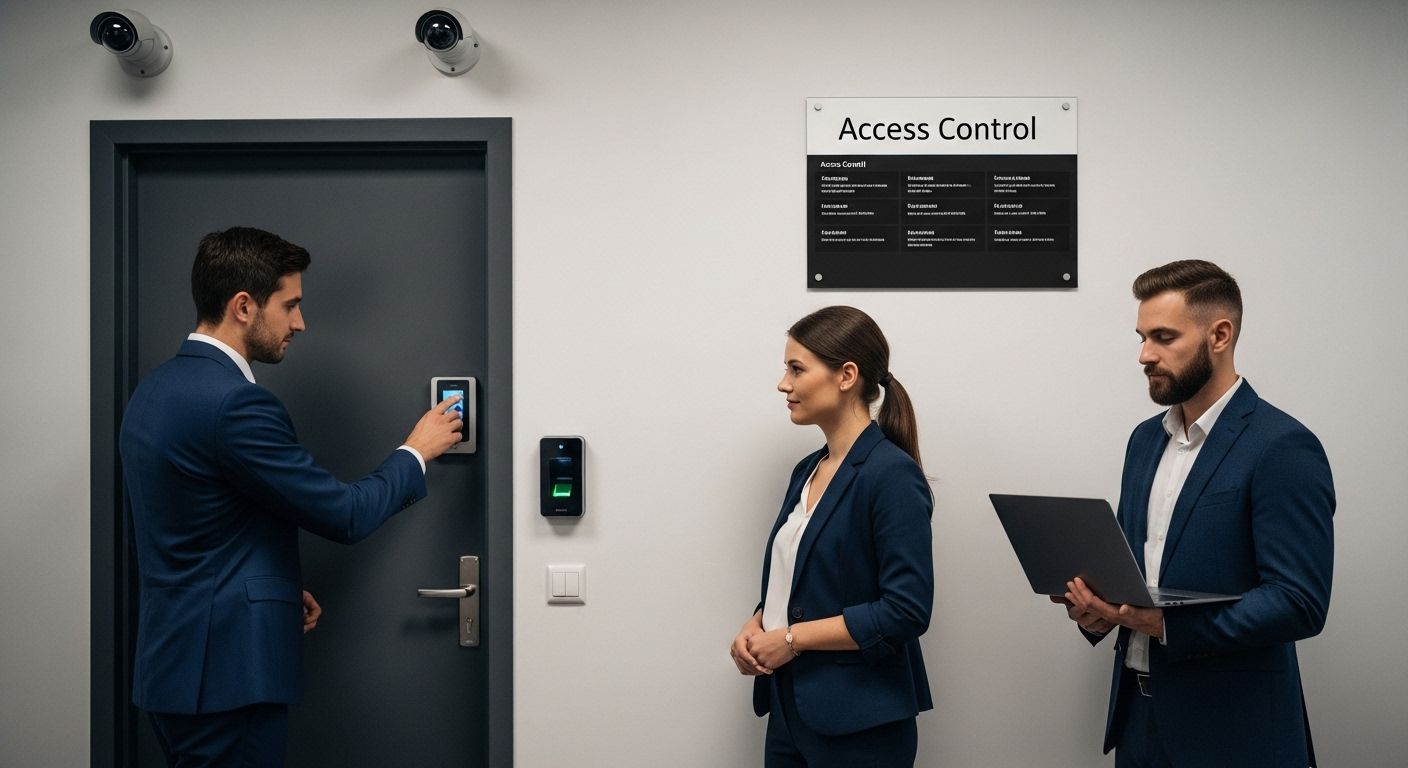
Office security checkpoint with three people using a keypad and tablet beside a locked door.
August 21, 2026
See how access control goes beyond traditional door security and can protect your people, credentials and business operations with smarter visibility and control.
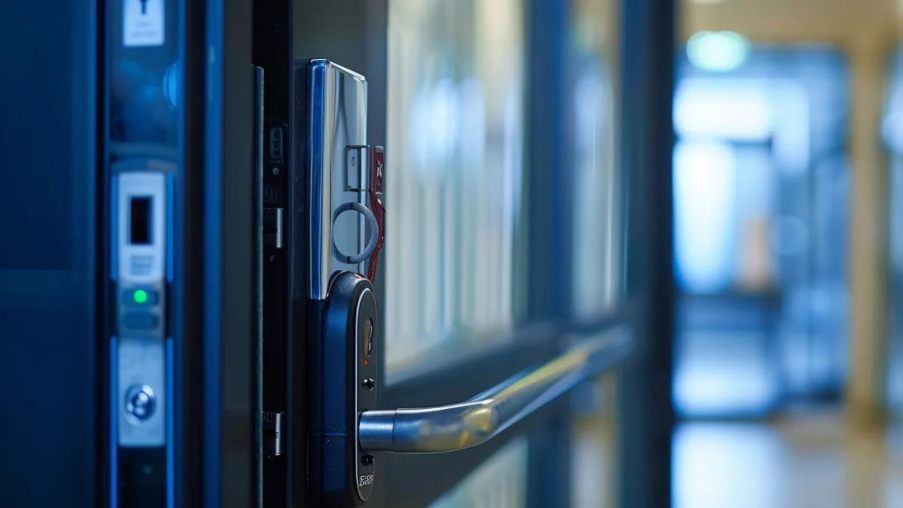
Close-up of a blue office door with a keypad lock and silver handle in a hallway
August 10, 2026
Edmonton businesses face evolving physical, digital, and operational security threats. Accesio helps strengthen visibility, access control, and credentials.
Show More